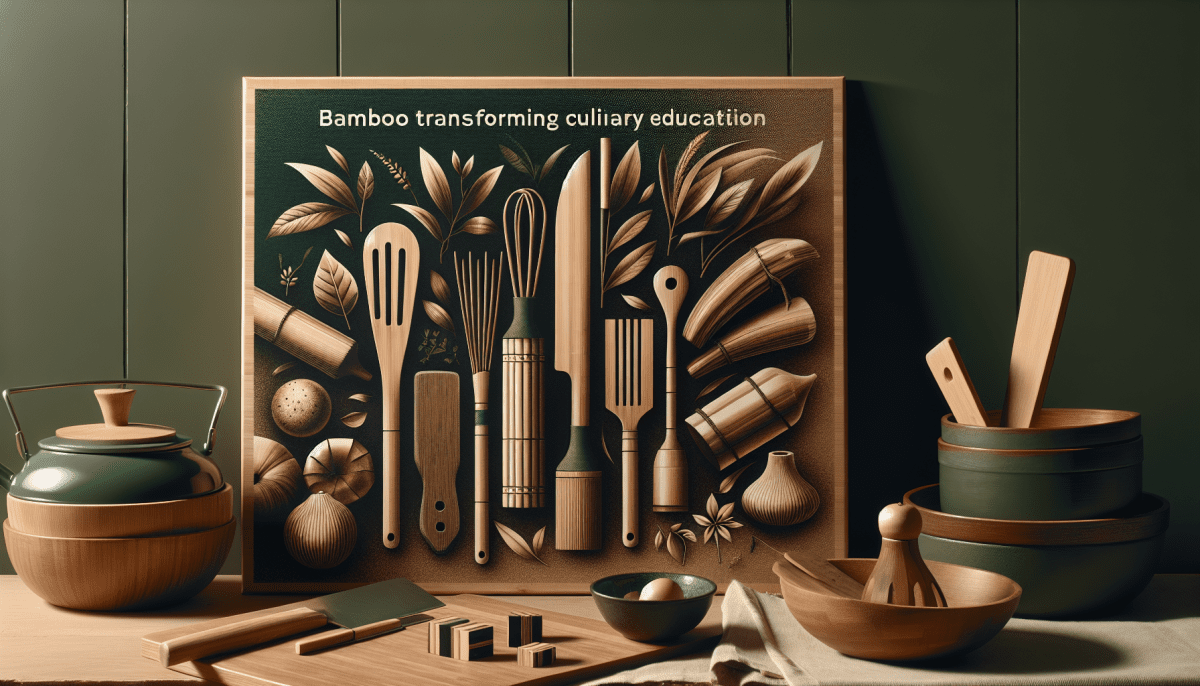
Bamboo has long been admired for its strength and sustainability, but its versatility in culinary applications is often overlooked. In recent years, chefs and culinary institutions have started recognizing bamboo as a game-changer in the field of culinary education. With its unique properties and countless applications, bamboo is transforming the way future chefs are trained and challenging traditional culinary practices.
One of the key aspects that make bamboo a great asset in culinary education is its durability. Bamboo is known for its exceptional strength, making it the perfect material for cutting boards and kitchen utensils that withstand constant use and heavy chopping. Its natural antimicrobial properties also make bamboo a hygienic choice, inhibiting the growth of bacteria and reducing the risk of cross-contamination in the kitchen.
Beyond its functional applications, bamboo offers a wide range of possibilities for culinary creativity. Its unique texture and flavor have made bamboo shoots a popular ingredient in Asian cuisine for centuries. Aspiring chefs can experiment with bamboo shoots in various dishes, from stir-fries to soups, adding a distinct earthy taste and crunchy texture to their creations. Additionally, bamboo leaves can be used for wrapping food, imparting a subtle aroma and enhancing presentation.
Moreover, bamboo's sustainability credentials align with the increasing demand for eco-friendly practices in the culinary world. Unlike traditional wood, bamboo is a rapidly renewable resource that grows quickly without the need for replanting. Its cultivation also has a lower environmental impact compared to other materials commonly used in culinary tools and equipment. By incorporating bamboo into culinary education, aspiring chefs can become advocates for sustainability and contribute to a more eco-conscious industry.
Sustainability and Flavor Fusion: Exploring Bamboo's Potential in Culinary Training
Bamboo, a versatile and sustainable resource, has long been used in various industries for its strength and durability. However, its potential in culinary training is just now being explored. With the growing emphasis on sustainable practices in the culinary world, bamboo offers a unique opportunity to transform culinary education and food preparation techniques.
One of the key advantages of using bamboo in culinary training is its eco-friendly nature. Bamboo is a highly renewable resource, known for its rapid growth and low environmental impact. Unlike traditional wooden tools, bamboo utensils and cutting boards can be harvested without causing deforestation or long-lasting damage to the environment. Incorporating bamboo into culinary training programs helps instill sustainable practices in future chefs, raising awareness about responsible sourcing and reducing their carbon footprint.
Moreover, bamboo possesses various qualities that make it an ideal material for culinary applications. Its natural antimicrobial properties make it a hygienic choice for utensils and cutting surfaces. Bamboo's lightweight yet sturdy composition allows for precision and control during intricate food preparations. Additionally, its unique texture and natural oils impart a subtle earthy flavor to foods, enhancing the dining experience and enabling chefs to experiment with flavor fusion.
Culinary schools and training programs can integrate bamboo into their curriculum by teaching students about its benefits, demonstrating proper use and care of bamboo utensils, and encouraging creativity in incorporating bamboo's natural flavor into dishes. By embracing bamboo as a sustainable and flavorful tool, future chefs can contribute to a more environmentally conscious culinary industry while also providing unique and exciting dining experiences to their patrons.
From Cutting Boards to Utensils: Bamboo's Role in Redefining Culinary Techniques
Bamboo, a versatile and sustainable resource, is making its mark in the culinary industry by redefining culinary techniques. Traditionally, wooden cutting boards and utensils have been the go-to tools for chefs. However, bamboo is becoming increasingly popular due to its unique properties and eco-friendly nature.
Bamboo is known for its strength and durability, making it an ideal material for cutting boards. Its dense fibers provide a sturdy surface that can withstand heavy chopping and slicing, while also being gentle on knives. Additionally, bamboo's natural antimicrobial properties help prevent the growth of bacteria, making it a hygienic choice for food preparation.
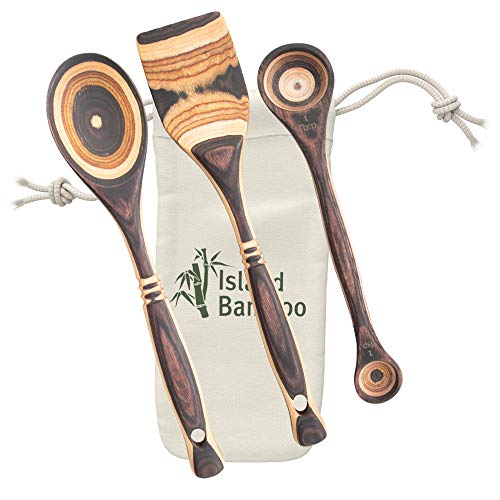
Beyond cutting boards, bamboo is also being used to craft a wide range of utensils. From spatulas to tongs, bamboo utensils offer a lightweight and ergonomic design that enhances the cooking experience. Bamboo's heat resistance makes it suitable for high-temperature cooking without warping or melting, making it a reliable choice for professional chefs and home cooks alike.
The rise of bamboo in culinary education signifies a shift towards sustainability and mindful cooking practices. As future chefs are being trained, they are encouraged to explore environmentally friendly alternatives to ensure a greener future for the food industry. By embracing bamboo utensils, cutting boards, and other innovations, culinary education is taking an important step towards reducing waste and promoting sustainable practices in kitchens around the world.
Bamboo: Empowering Chefs to Embrace Green Gastronomy
In today's world, sustainable practices have become imperative in every industry. The culinary world is no exception, as chefs and food enthusiasts are increasingly recognizing the need to embrace green gastronomy. Bamboo, a versatile and sustainable resource, is transforming culinary education for future chefs by offering them a unique opportunity to not only enhance their skills but also contribute to a greener and more sustainable future.
Bamboo is a fast-growing plant that requires minimal water, pesticides, and fertilizer to thrive. Its rapid growth and renewability make it an excellent alternative to traditional hardwoods, which are often overexploited. By incorporating bamboo into culinary education, aspiring chefs are introduced to a more eco-friendly approach to cooking. Whether it's using bamboo kitchen tools, utensils, or even incorporating bamboo fibers into clothing worn in the kitchen, the possibilities are endless.
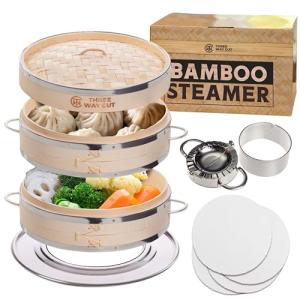
Furthermore, bamboo offers a wide range of culinary applications that go beyond utensils and tools. It can be used as an ingredient itself, as bamboo shoots are not only delicious but also highly sustainable. Additionally, bamboo can be processed into various sustainable materials, such as bamboo charcoal, which has become increasingly popular for its health benefits and flavor-enhancing properties.
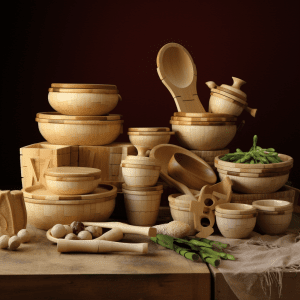
Bamboo Cookware
Sustainable and Stylish Cookware to Elevate Your Kitchen Experience
Product information
Product Review Score
4.38 out of 5 stars
126 reviews