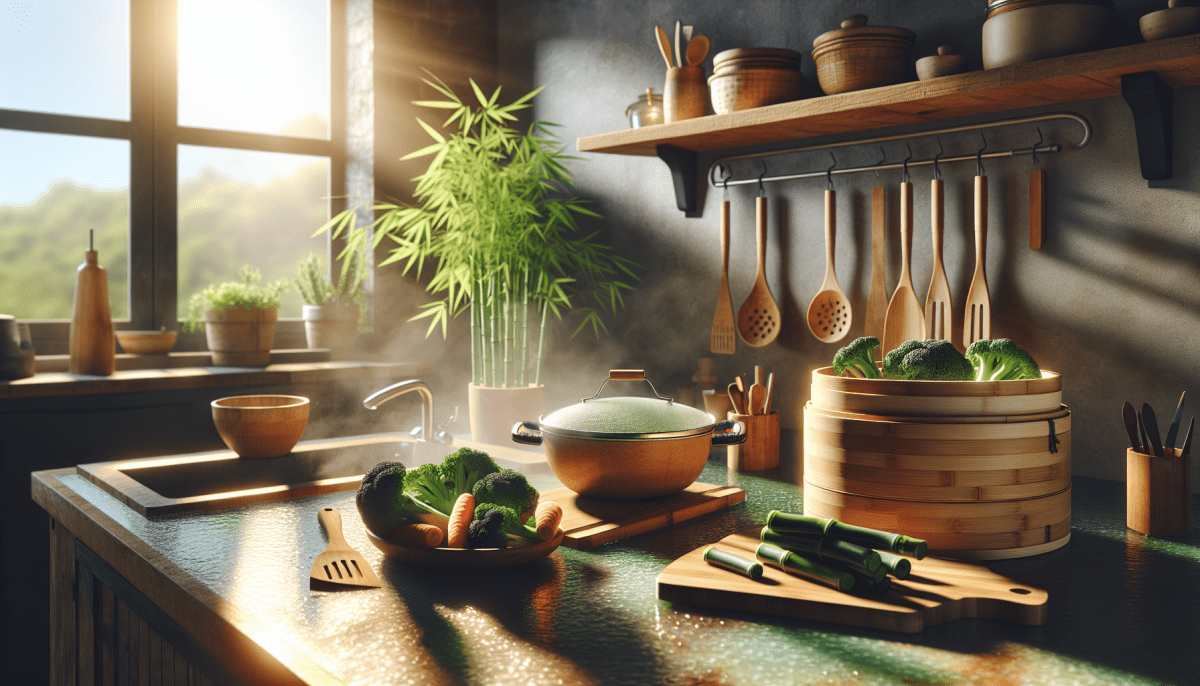
In a world where the environmental impact of consumer goods is increasingly concerning, many individuals are turning towards eco-friendly alternatives to traditional products. One such area of focus is cookware, with bamboo cookware gaining traction as a sustainable option for zero-waste living.
Bamboo, a fast-growing and renewable resource, has become a popular choice for eco-conscious consumers. It is a versatile material that offers a range of benefits for both the environment and the user. Bamboo cookware is lightweight, durable, and requires minimal to no chemical treatments during production, making it an excellent choice for those seeking a sustainable kitchen solution.
Furthermore, bamboo cookware is biodegradable, meaning it can naturally decompose without contributing to the global waste problem. As a highly renewable resource, bamboo can be harvested multiple times without causing long-term harm to the environment. By embracing bamboo cookware, individuals can reduce their carbon footprint and contribute to a more sustainable future for our planet.
Discovering the Benefits: Why Bamboo Cookware Shines
Bamboo cookware is gaining popularity in the zero-waste living movement due to its numerous benefits and sustainable nature. Made from the fast-growing bamboo plant, this cookware offers an eco-friendly alternative to traditional options. Let's explore some of the key benefits that make bamboo cookware shine.
1. Sustainability:
Bamboo is a renewable resource that grows quickly and abundantly. Unlike hardwood trees used for traditional cookware, bamboo can be harvested and regrown within a few years. This fast regrowth rate makes bamboo cookware a sustainable choice, minimizing deforestation and reducing the overall carbon footprint associated with kitchen products.
2. Durability:
Bamboo cookware is known to be highly durable and long-lasting. It has natural strength and resilience, making it resistant to cracks, warping, and other damages. This durability ensures that your bamboo cookware will withstand daily use in the kitchen, reducing the need for frequent replacements and contributing to waste reduction.
3. Non-toxic and Safe:
Bamboo cookware is free from harmful chemicals and toxins, making it a safe choice for cooking and food preparation. Unlike some plastic or non-stick cookware, bamboo does not leach harmful substances into your food when exposed to heat. It also has natural antimicrobial properties that help keep your cookware hygienic and safe to use.
4. Versatility:
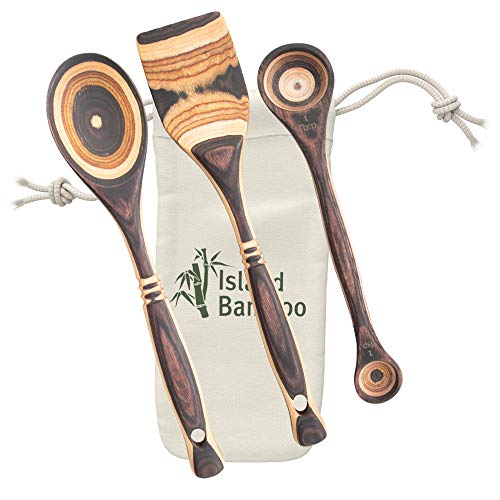
Bamboo cookware comes in various shapes and sizes, allowing for versatility in the kitchen. From bamboo cutting boards to utensils, steamers, and even bamboo charcoal used for water filtration, there are endless options to choose from. Whether you need a bamboo pot for boiling pasta or a bamboo spatula for flipping pancakes, you can find a wide range of bamboo cookware to suit your cooking needs.
A Zero-Waste Kitchen Revolution: Bamboo Cookware in Action
In recent years, there has been a growing movement towards zero-waste living, and one area where this revolution is taking place is in the kitchen. As people become more aware of the environmental impact of single-use plastic and non-biodegradable materials, many are seeking out sustainable alternatives. Bamboo cookware has emerged as a key player in this zero-waste kitchen revolution.
Why bamboo, you may ask? Bamboo is an incredibly versatile and eco-friendly material. It is one of the fastest-growing plants on the planet, capable of reaching maturity in just a few years. This means that bamboo can be harvested and replanted at a much faster rate than other types of timber. In addition, bamboo is naturally antibacterial and antimicrobial, making it an excellent choice for cookware.
From cutting boards to utensils, bamboo cookware offers a range of options for the environmentally conscious home cook. Bamboo cutting boards are not only durable and long-lasting, but they also have a natural resistance to water, reducing the risk of warping or cracking. Bamboo utensils, on the other hand, are lightweight and easy to handle, making them ideal for everyday cooking and serving.
Making the Switch: How to Incorporate Bamboo Cookware
1. Replacing Plastic with Bamboo: One of the first steps towards a zero-waste kitchen is to swap out your plastic utensils and cookware with bamboo alternatives. Bamboo is a highly sustainable material as it grows incredibly fast, requires no pesticides or fertilizers, and can be harvested without damaging the plant. Look for bamboo cutting boards, spoons, spatulas, and tongs to start your transition. These eco-friendly options not only look great in your kitchen but also offer durability and longevity.
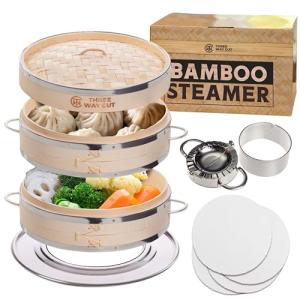
2. Bamboo Steamers: Steaming is a healthy cooking method that retains nutrients and flavors in your food. To incorporate bamboo cookware in your steaming routine, consider investing in bamboo steamer baskets. These versatile kitchen tools are perfect for dumplings, vegetables, fish, and even rice. Simply place the bamboo steamer basket over a pot of boiling water, add your ingredients, and let the steam work its magic. The natural bamboo fibers of the steamer enhance the flavors without adding any chemicals or unwanted taste to your dishes.
3. Bamboo Non-stick Cookware: Non-stick cookware often contains harmful chemicals that can leach into your food during cooking. As a safer and eco-friendly alternative, explore bamboo non-stick cookware. These pans are coated with a layer of bamboo fiber or oil that offers a natural non-stick surface. Bamboo cookware distributes heat evenly, allowing you to cook your meals at lower temperatures, conserving energy, and reducing your carbon footprint. From frying pans to woks, there are several options available to suit all your cooking needs.
4. Bamboo Meal Prep: Incorporating bamboo cookware into your meal preparation can significantly reduce waste. Look for bamboo cutting boards and utensils that are perfect for chopping veggies, meat, and fruits. Bamboo cutting boards are not only durable but also naturally antimicrobial, ensuring a hygienic cooking surface. Additionally, consider using bamboo bowls and containers for food storage. These are dishwasher safe and an excellent alternative to plastic containers that contribute to pollution.
By incorporating bamboo cookware into your kitchen, you can take significant steps towards a zero-waste lifestyle. From replacing plastic with bamboo alternatives to using bamboo steamers and non-stick cookware, there are numerous ways to integrate sustainable practices into your cooking routine. By making these simple switches, you not only minimize your impact on the environment but also enjoy the many benefits that bamboo has to offer.
Bamboo Cookware
Sustainable and Stylish Cookware to Elevate Your Kitchen Experience
Product information
Product Review Score
4.38 out of 5 stars
126 reviews