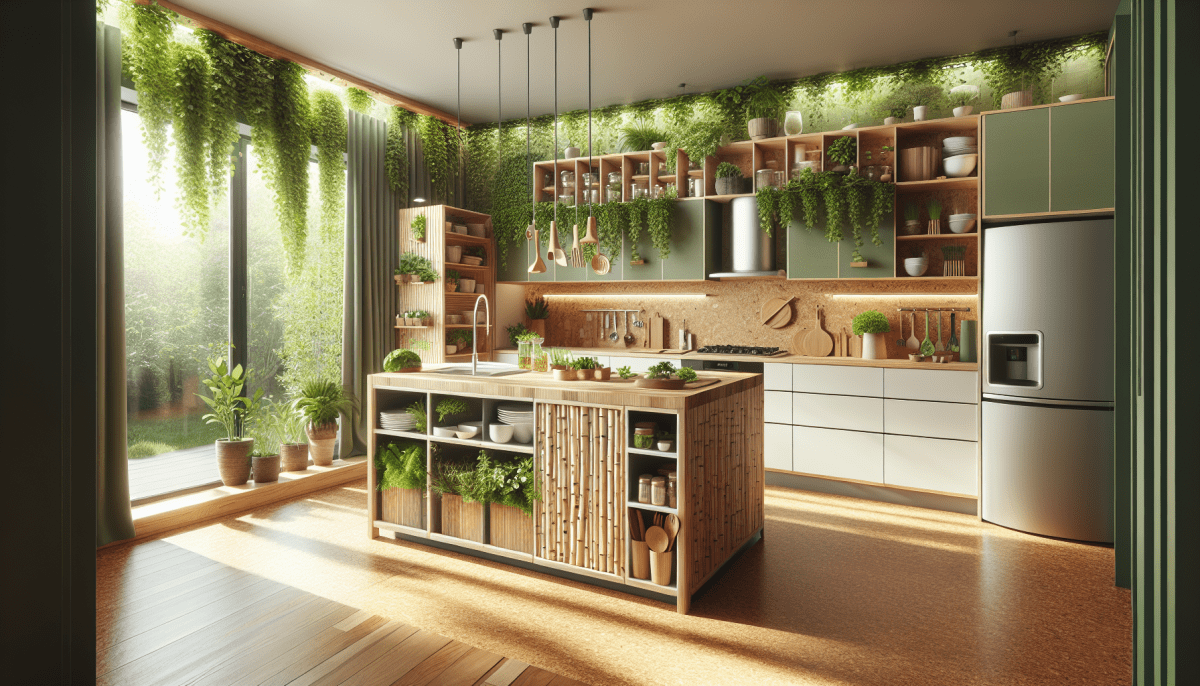
Bamboo has emerged as a sustainable superstar in the world of kitchen materials, paving the way for an eco-friendly future. With its remarkable growth rate and abundance, bamboo is quickly becoming a go-to choice for environmentally conscious homeowners. This versatile material offers a plethora of benefits, from its remarkable strength and durability to its stunning aesthetic appeal.
One of the most impressive characteristics of bamboo is its rapid growth rate. Unlike traditional hardwoods, which can take decades to mature, bamboo can reach full maturity in just a few years. This rapid growth allows for a sustainable and renewable supply of bamboo, making it an attractive option for those looking to minimize their environmental footprint.
Beyond its sustainability, bamboo also boasts impressive strength and durability. In fact, bamboo is even harder than many traditional hardwoods, such as oak or maple. This inherent strength makes bamboo an excellent choice for kitchen countertops, flooring, and cabinetry that can withstand the demands of everyday use. Its durability ensures that your bamboo kitchen will not only be eco-friendly but also long-lasting.
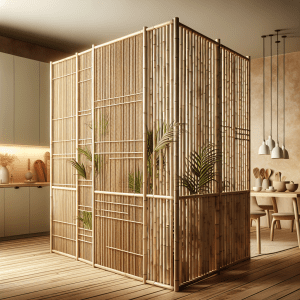
In addition to its practical advantages, bamboo also offers a stunning aesthetic appeal. With its unique grain patterns and warm, natural colors, bamboo can effortlessly elevate the look of any kitchen. Whether you prefer a sleek, modern design or a rustic, farmhouse style, bamboo can seamlessly integrate into any kitchen aesthetic, adding a touch of natural beauty.
As sustainability becomes a more prominent concern, bamboo kitchens are paving the way for an eco-friendly future. With its rapid growth, remarkable strength, and stunning beauty, bamboo offers a sustainable alternative to traditional hardwoods. By choosing bamboo, homeowners can create a kitchen that not only looks beautiful but also contributes to a greener, more sustainable planet.
Why Bamboo Kitchens are the Smart Choice for the Planet
When it comes to kitchen renovations or building new kitchens, more and more people are considering eco-friendly options to minimize their environmental impact. One such option that is gaining popularity is bamboo kitchens. Bamboo is a sustainable and renewable resource that has numerous benefits and makes it an ideal choice for eco-conscious homeowners.
Firstly, bamboo is known for its rapid growth, making it highly sustainable. Unlike traditional hardwood trees that can take several decades to mature, bamboo can reach full maturity within three to five years. This quick growth and harvesting cycle mean that bamboo can be replenished much faster than other wood sources, reducing deforestation and preserving natural habitats.
Secondly, bamboo is an excellent choice for the environment because it absorbs more carbon dioxide and releases more oxygen compared to most types of trees. As a result, bamboo can help mitigate climate change by reducing greenhouse gas emissions. Additionally, bamboo plantations can contribute to improving soil quality, preventing erosion, and conserving water resources, further highlighting its positive environmental impact.
Lastly, bamboo is highly durable and versatile, making it an ideal material for kitchen construction. Bamboo's natural strength, resistance to moisture, and durability make it comparable, if not superior, to traditional hardwoods. It also requires minimal maintenance and can withstand scratches, stains, and heat, making it an ideal material for kitchen cabinets, flooring, countertops, and other kitchen fixtures.
Designing an Eco-Friendly Haven: Bamboo Kitchens 101
As the world becomes increasingly conscious of the impact of consumer choices on the environment, sustainable and eco-friendly options are gaining popularity in various industries, including kitchen design. Bamboo, a versatile and highly renewable resource, has emerged as a top choice for creating eco-friendly kitchens. In this article, we will explore the key aspects of designing bamboo kitchens, highlighting their benefits and providing essential tips.
The Benefits of Bamboo Kitchens
Bamboo kitchens offer numerous advantages in terms of sustainability, aesthetics, and durability. First and foremost, bamboo is an incredibly sustainable material due to its rapid growth rate and natural abundance. It can be harvested within 3-5 years, compared to hardwood trees that require decades to mature. Bamboo also has a higher yield per acre, allowing for better land utilization.
Additionally, bamboo brings a unique and natural beauty to kitchen spaces, with its elegant grain patterns and warm, earthy tones. The versatility of bamboo allows it to harmonize with various design styles, be it modern, rustic, or traditional. Moreover, bamboo is resistant to moisture, making it an ideal material for humid kitchen environments. It offers excellent durability and can withstand wear and tear, ensuring a long-lasting kitchen solution.
Essential Tips for Designing a Bamboo Kitchen
When designing a bamboo kitchen, consider incorporating other sustainable elements to enhance the eco-friendly essence. Opt for energy-efficient appliances to reduce electricity consumption. Choose low VOC (volatile organic compound) paints and finishes to minimize harmful emissions. Utilize natural lighting as much as possible, reducing the need for artificial light sources during daylight hours.
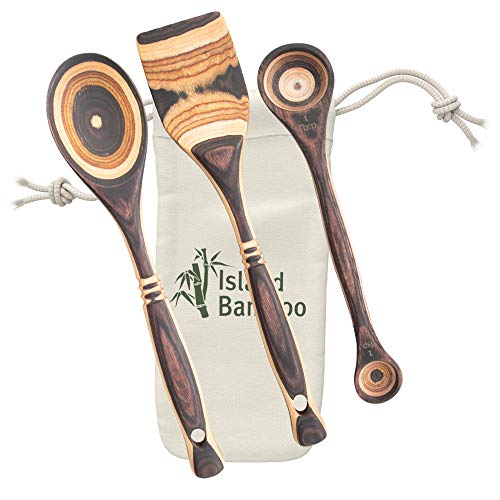
It's also essential to source bamboo from reputable and certified suppliers, ensuring responsible harvesting practices and adherence to sustainability standards. Explore different bamboo varieties and finishes to find the perfect match for your kitchen's aesthetic. Consider bamboo flooring, cabinetry, countertops, and even utensils to create a cohesive and nature-inspired cooking space.
Revolutionizing Culinary Spaces: Bamboo Kitchens Taking Center Stage
In recent years, there has been a growing trend in eco-conscious design, particularly in the culinary world. Bamboo, a highly sustainable and versatile material, has emerged as a game-changer in the realm of kitchen design. With its incredible strength, durability, and fast-growing nature, bamboo is revolutionizing culinary spaces worldwide.
One of the primary reasons bamboo kitchens are gaining popularity is their strong eco-friendly credentials. Bamboo is a renewable resource, boasting an impressive growth rate that surpasses that of traditional hardwoods, making it a more sustainable choice. Unlike its counterparts, bamboo can reach maturity in a matter of years rather than decades, ensuring a more sustainable harvesting process.
Bamboo kitchens are transforming culinary spaces by offering a natural and elegant aesthetic. The beautiful grain patterns and light coloring of bamboo provide a warm and inviting atmosphere. In addition to its visual appeal, bamboo is resistant to moisture and stains, making it an ideal material for kitchen countertops, cabinets, and flooring. The natural antibacterial properties of bamboo also make it a hygienic choice for culinary spaces, promoting a healthier and safer environment for food preparation.
Furthermore, bamboo kitchens contribute to reducing carbon footprints due to the minimal processing required when compared to other materials. Bamboo can be harvested, processed, and transformed into functional kitchen components with fewer chemicals and energy consumption. By incorporating bamboo into kitchen design, we can minimize our impact on the environment and protect our planet for future generations.
4.38 out of 5 stars
Bamboo Cookware
Sustainable and Stylish Cookware to Elevate Your Kitchen Experience
Product information
Product Review Score
Product links