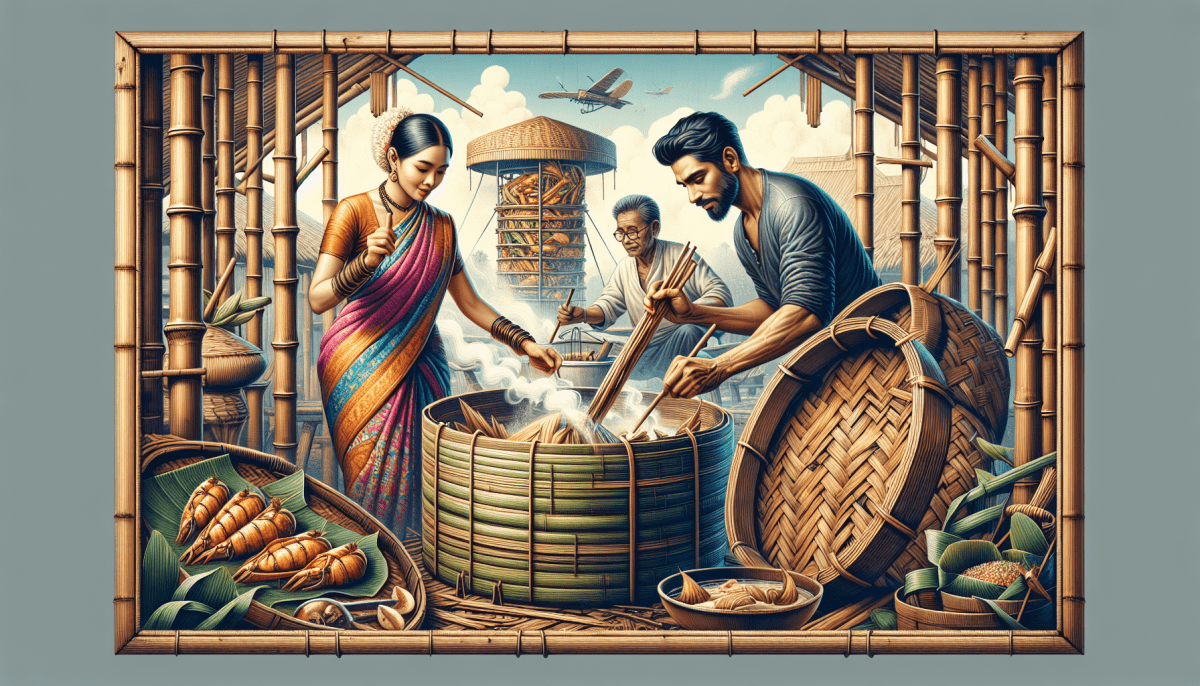
Bamboo cooking techniques have been a part of Asian culinary traditions for centuries, but recently there has been a renewed interest in reviving and celebrating these ancient methods. Not only does bamboo cooking offer a unique and delicious flavor to dishes, but it also promotes sustainable and eco-friendly cooking practices.
One of the key advantages of bamboo cooking is its ability to infuse food with a delicate, earthy flavor. The porous nature of bamboo allows it to absorb and release moisture, resulting in moist and tender dishes. From steaming rice and vegetables to grilling fish and meat, bamboo creates a natural steam chamber, enhancing flavors and textures in the process.
Moreover, using bamboo as a cooking material is a sustainable choice for our environment. Bamboo is a renewable resource that grows rapidly, making it an eco-friendly alternative to traditional cooking materials such as metal or plastic. Additionally, bamboo is naturally anti-bacterial and easy to clean, making it a hygienic choice for cooking utensils.
As we embrace the ancient wisdom of bamboo cooking, it is important to recognize and celebrate the preservation of cultural heritage. By incorporating bamboo cooking techniques into our modern kitchens, we pay homage to the generations before us who cherished and honed these culinary practices. Let us savor the flavors of the past while preserving the traditions for generations to come.
A Glimpse into Culinary Traditions: Bamboo as a Lifeline
In many cultures around the world, bamboo has long been regarded as a lifeline when it comes to culinary traditions. This versatile plant has served as a cooking vessel, utensil, and flavor enhancer for centuries. Celebrated for its sustainability and functionality, bamboo has played an integral role in preserving cultural heritage and unique cooking techniques.
One of the most fascinating culinary uses of bamboo is its role as a cooking vessel. From Southeast Asia to South America, bamboo has been utilized as a natural and eco-friendly way to steam, boil, or roast food. The hollow bamboo tubes act as perfect containers, allowing food to cook evenly while imparting a subtle earthy flavor. Whether it's sticky rice, fish, or even vegetables, the use of bamboo as a cooking vessel adds an authentic touch to traditional recipes.
Bamboo also serves as an essential kitchen utensil in many cultures. Its strength, flexibility, and heat-resistance make it the perfect tool for stirring, flipping, and serving various dishes. Bamboo chopsticks are widely used in East Asian cuisine, known for their delicacy and ability to maintain the integrity of delicate ingredients. Additionally, bamboo spatulas, tongs, and skewers are commonly used in different parts of the world, showcasing the versatility and ingenuity of this remarkable plant.
Beyond its practical uses, bamboo holds a symbolic value in culinary traditions. In some cultures, cooking with bamboo signifies a connection to nature, serving as a reminder of the importance of sustainability and harmony with the environment. It also reflects the resourcefulness and resilience of communities, as bamboo is abundant and easily accessible in many regions. By celebrating and preserving bamboo cooking traditions, we not only honor our cultural heritage but also promote a more sustainable and eco-conscious approach to culinary practices.
Savoring the Past: Preserving Bamboo Cooking in Modern Times
In the modern world, where new cooking techniques and appliances are constantly emerging, it becomes increasingly important to preserve and celebrate traditional cooking methods that are deeply rooted in cultural heritage. One such technique that has withstood the test of time is bamboo cooking. For centuries, communities across various Asian countries have utilized bamboo as a versatile vessel for preparing flavorful and aromatic dishes.
Bamboo cooking involves using bamboo tubes or leaves as natural cooking containers. The process entails stuffing the bamboo with ingredients, sealing it, and cooking the dish over an open flame or steaming it, allowing the flavors to infuse and develop. This technique not only imparts a distinctive taste and aroma but also adds an element of eco-friendliness to the culinary experience, as bamboo is a renewable resource that produces minimal waste.
Preserving and promoting bamboo cooking in modern times requires efforts to ensure its continuation and appreciation. Cultural festivals and events that showcase the unique culinary heritage of bamboo cooking can play a crucial role in this preservation. Through these events, local communities can pass down their knowledge and techniques to younger generations, fostering a sense of pride and connection to their cultural roots.
From the Past to the Present: Honoring Bamboo's Culinary Legacy
Bamboo has played an integral role in the culinary traditions of various cultures throughout the ages. From ancient civilizations to modern food enthusiasts, the versatility and distinct flavors of bamboo have been celebrated and preserved. Its rich history in cooking demonstrates the profound connection between nature and human culture, offering a glimpse into our collective heritage.
Dating back thousands of years, bamboo has been used for cooking in diverse ways. In some cultures, bamboo shoots have been a staple ingredient, known for their delicate taste and crunchy texture. Others have utilized bamboo steamers to create exquisite dishes, allowing flavors to intertwine and enhancing the natural flavors of ingredients. Furthermore, bamboo skewers have long been favored for grilling and roasting, imparting a unique aroma that elevates the taste of various meats and vegetables.
Today, as we celebrate cultural heritage, traditional bamboo cooking methods and recipes are being revitalized and cherished. Chefs around the world are embracing bamboo as a sustainable and eco-friendly alternative, appreciating its ability to infuse dishes with nuanced flavors. From bamboo-infused broths to aromatic rice cooked in bamboo tubes, these contemporary interpretations deepen our understanding of the culinary possibilities offered by this humble plant.
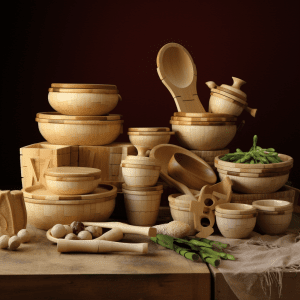
Bamboo Cookware
Sustainable and Stylish Cookware to Elevate Your Kitchen Experience
Product information
Product Review Score
4.38 out of 5 stars
126 reviews