Bamboo cookware has long been a staple in Asian culinary traditions, and its influence on food taste and texture cannot be understated. The unique properties of bamboo make it an ideal material for cooking utensils, cutting boards, and steamers, as it infuses dishes with a delightful flavor and imparts a distinct texture that elevates the overall culinary experience.
One of bamboo's most significant contributions to enhancing flavors is its natural ability to absorb and release moisture. When used as a cutting board or cooking utensil, bamboo soaks up the juices from fruits, vegetables, and meats, preventing them from pooling on the surface and allowing the ingredients to maintain their integrity. This moisture absorption not only preserves the natural flavors but also intensifies them, creating a more pronounced taste sensation.
In addition to enhancing flavors, bamboo also adds a unique texture to dishes. The fibrous nature of bamboo imbues dishes with a delicate and light touch, especially in steamed preparations. When used as a steamer, the bamboo allows hot steam to circulate evenly, gently cooking the food while preserving its moisture and nutrients. This results in tender and succulent dishes that have a satisfying bite and a remarkable mouthfeel.
Beyond the kitchen, bamboo cookware also offers several advantages. It is a sustainable and eco-friendly alternative to synthetic materials, as bamboo is a fast-growing plant that does not require harmful pesticides or excessive water consumption. Not only does its use contribute to a greener planet, but it also imparts a sense of tradition and authenticity to the dining experience, connecting us to the rich histories of Asian cuisine.
The Science Behind Bamboo Cookware: Unveiling the Secrets
Bamboo cookware has gained significant popularity in recent years, praised for not only its eco-friendliness and durability, but also for its influence on the taste and texture of food. Understanding the science behind why bamboo cookware can potentially enhance your culinary experience is key to unlocking its secrets.
One of the primary reasons why bamboo cookware has a positive impact on food taste is its natural ability to absorb moisture. Bamboo fibers have microscopic gaps that can absorb water, which helps to maintain the natural moisture of food during the cooking process. This controlled moisture retention can prevent food from drying out, resulting in dishes that are tender, juicy, and bursting with flavor.
Furthermore, bamboo cookware's unique composition offers excellent heat distribution. Its natural silica content contributes to its ability to distribute heat evenly and efficiently across the cooking surface. This consistent heat distribution ensures that food is cooked more uniformly, promoting better caramelization and flavor development. With bamboo cookware, ingredients are less likely to burn or cook unevenly, resulting in enhanced taste and texture.
Lastly, the porous nature of bamboo can also play a role in improving food texture. The microscopic gaps in bamboo fibers allow for gentle steam circulation during cooking. This enables the ingredients to cook evenly and retain their natural textures, producing dishes that are perfectly cooked, crispy, and tender. Whether you are stir-frying vegetables or baking bread, bamboo cookware's ability to maintain ideal moisture levels and promote even heat distribution contributes to creating delectable meals that are a delight to both the palate and the eyes.
Exploring the Textural Wonders: How Bamboo Transforms Food
Bamboo cookware has long been admired for its influence on food taste and texture. The use of bamboo in cooking dates back thousands of years, particularly in Asian cultures where it has played a significant role in culinary traditions. Beyond its natural beauty and eco-friendly nature, bamboo has the remarkable ability to impart unique flavors and textures to the dishes prepared in it.
One of the most captivating aspects of bamboo cookware is its ability to infuse a subtle earthy aroma into the food. As heat is applied to the bamboo, its fibers release a gentle scent that subtly enhances the overall fragrance of the dish. Many chefs believe that this natural aroma lends a distinctive depth to the flavors, making the food more enticing and enjoyable.
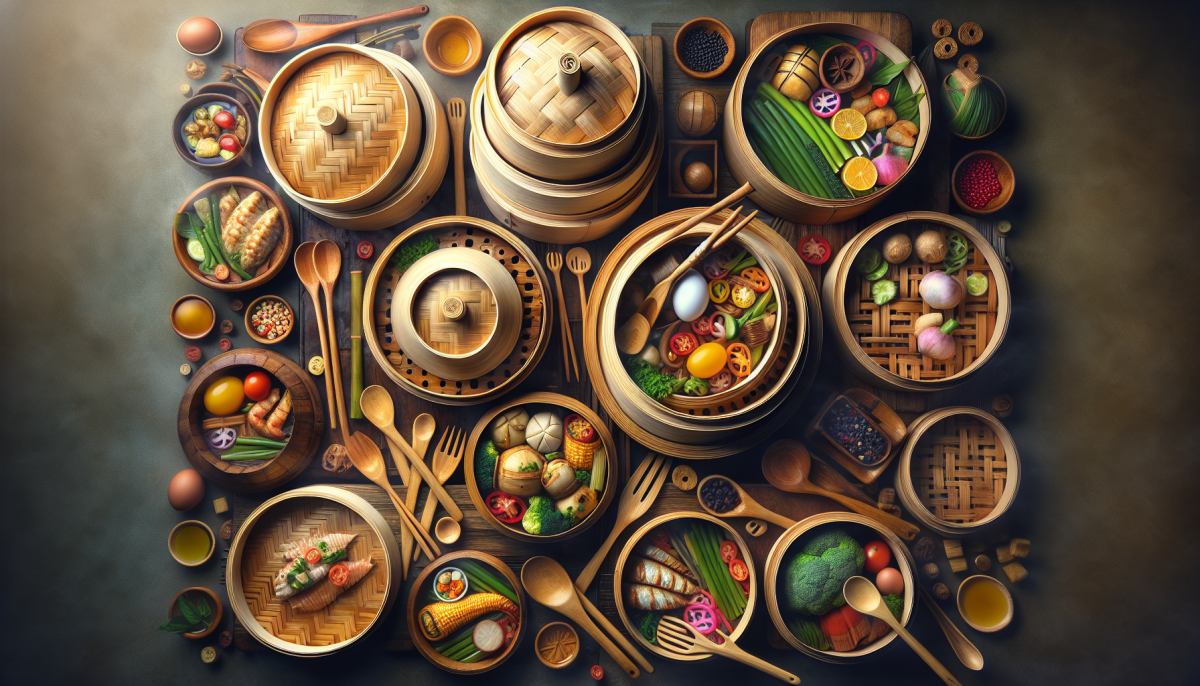
However, it is not only the aroma that bamboo brings to the table; its porous nature also contributes to an interesting transformation in food texture. When used as a steaming vessel, bamboo allows the steam to circulate evenly around the food, helping it retain moisture and achieve a more tender, succulent texture. The porous composition of bamboo also aids in absorbing excess moisture, making fried dishes lighter and crunchier, as the oil is better drained away.
In addition to its textural wonders, bamboo cookware is celebrated for being naturally non-stick. The smooth and natural coating, combined with its heat distribution properties, ensures that dishes cooked in bamboo rarely stick to the surface. This feature not only facilitates easier food release but also reduces the need for using excessive oil or fats, resulting in healthier and more flavorful meals.
From Traditional Roots to Modern Kitchens: Bamboo's Culinary Impact
Bamboo, a versatile plant deeply rooted in traditional Asian cultures, has made its way into modern kitchens around the world, where its impact on food taste and texture cannot be underestimated. For centuries, bamboo has been used in various forms for cooking and serving food, and its unique properties have contributed to the development of distinct flavors and textures in traditional cuisine.
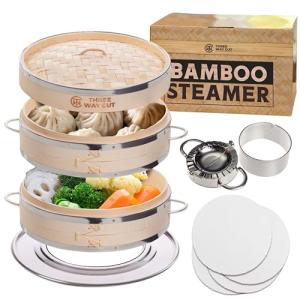
One of the key aspects of bamboo cookware is its natural resistance to heat and moisture, making it an ideal material for steaming and boiling. Bamboo steamers, for example, are commonly used in Asian cuisine to gently cook ingredients, imparting a delicate and light flavor to the food. The porous texture of bamboo also allows for efficient heat circulation, allowing dishes to be cooked evenly with a moist and tender outcome.
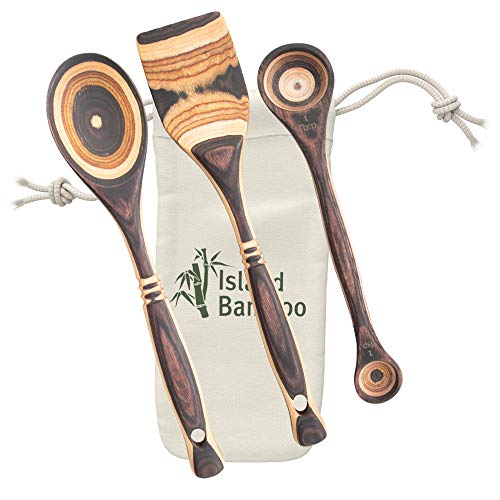
Bamboo's influence on food taste and texture extends beyond the cooking process. The use of bamboo chopsticks and serving utensils, for instance, is believed to enhance the overall dining experience. Bamboo chopsticks are highly praised for their lightweight and sturdy nature, offering a unique tactile sensation while handling food. This subtle interaction with bamboo utensils can affect the way flavors are perceived, adding an extra layer of enjoyment to the culinary experience.
Moreover, bamboo's eco-friendly and sustainable characteristics have contributed to its growing popularity in modern kitchens. As people become more conscious of their environmental impact, bamboo cookware provides a renewable alternative to traditional materials like plastic or metal. This shift towards sustainability not only benefits the planet but also aligns with an increasing demand for eco-friendly practices in the culinary world.
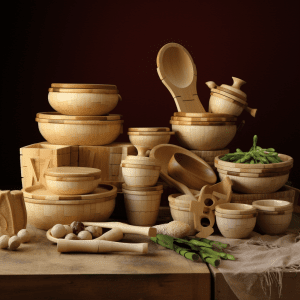
Bamboo Cookware
Sustainable and Stylish Cookware to Elevate Your Kitchen Experience
Product information
Product Review Score
4.38 out of 5 stars
126 reviews