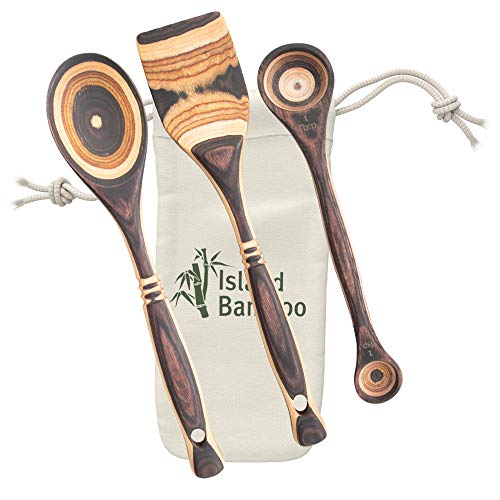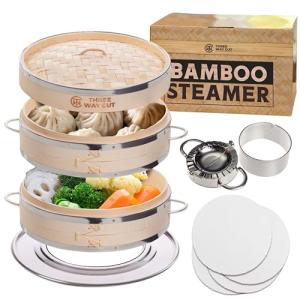
Bamboo has gained much attention in recent years as a sustainable and environmentally friendly alternative for various products, including those used in kitchens. As consumers become more conscious of their impact on the environment, ethical sourcing and sustainability have become significant considerations when choosing kitchen products. Bamboo, a renewable resource that grows quickly and requires no pesticides or fertilizers, has emerged as a popular choice for eco-conscious consumers.
One of the key reasons bamboo is considered an ethical choice is its rapid growth cycle. Unlike traditional hardwoods, which can take decades or even centuries to reach maturity, bamboo reaches its full height within just a few months. This quick growth also means that bamboo forests can regrow at a much faster rate than other types of trees. Additionally, bamboo cultivation requires no chemicals or fertilizers, making it a truly natural and sustainable solution.
Moreover, bamboo is incredibly versatile, making it an ideal material for a wide range of kitchen products. From cutting boards and utensils to flooring and cabinets, bamboo can be used in various ways to create eco-friendly kitchen items. Its natural strength and durability are further enhanced by its natural moisture resistance, making it perfect for use in a kitchen environment where water and humidity are prevalent.
Sourcing Strategies: How to Find Truly Sustainable Bamboo
Bamboo has gained popularity as a sustainable material due to its rapid growth and versatility. However, not all bamboo products are created equal when it comes to sustainability. It is crucial to source bamboo products from reputable and ethical sources to ensure the material is truly sustainable.
One important consideration is the origin of the bamboo. Look for products that use bamboo sourced from responsibly managed forests or plantations. Sustainable bamboo is typically certified by organizations such as the Forest Stewardship Council (FSC) or the Sustainable Forestry Initiative (SFI). These certifications ensure that the bamboo has been harvested in a way that protects ecosystems, respects local communities, and promotes the long-term health of the forests.
Another aspect to consider is the manufacturing process. Look for products that are made using non-toxic and eco-friendly methods. Some manufacturers may use harmful chemicals during the production of bamboo products, such as formaldehyde-based glues or toxic dyes. Opt for products that are explicitly labeled as free from harmful chemicals or that have certifications like Oeko-Tex Standard 100.
Finally, consider the durability and longevity of the bamboo products. Sustainable sourcing extends beyond just the material itself; it also involves minimizing waste and promoting a circular economy. Look for products that are designed to last and are not easily disposable. This will help reduce the overall environmental impact and ensure the sustainability of the bamboo used.
The Benefits of Ethical Bamboo Kitchen Products
Bamboo is quickly becoming a popular choice for kitchen products due to its many ethical benefits. First and foremost, bamboo is one of the most sustainable resources available. Unlike other types of wood, bamboo grows incredibly fast and can be harvested without causing any harm to the environment. It is also incredibly resilient, meaning it requires minimal water and no pesticides to thrive, further reducing its environmental impact.
In addition to its sustainable nature, bamboo kitchen products offer a range of benefits. One of these is its natural antibacterial properties. Bamboo contains a substance called bamboo-kun that prevents the growth of bacteria on its surface. This makes bamboo cutting boards, utensils, and mats a hygienic choice for food preparation. Furthermore, bamboo is highly durable and resistant to scratches, making it an excellent substitute for traditional wooden kitchen products.
Choosing ethical bamboo kitchen products also supports local communities. Bamboo harvesting and production provide income and employment opportunities for workers in regions where it is grown. By purchasing these products, consumers contribute to the economic development of these communities, promoting fair trade and supporting a sustainable way of life.
Supporting Sustainable Communities: The Social Impact of Bamboo
Bamboo is not just a versatile and renewable resource; it also plays a crucial role in supporting sustainable communities around the world. The social impact of bamboo cultivation and production is immense, benefiting both local economies and the environment in various ways. By incorporating bamboo into our daily lives, particularly in kitchen products, we can contribute to a more ethical and sustainable future.
One of the most significant social impacts of bamboo is its ability to provide employment opportunities for local communities. Bamboo cultivation requires skilled labor throughout various stages, from planting and maintaining bamboo groves to harvesting and processing the plants. This provides jobs for individuals within the community, helping to alleviate poverty and improve living standards.
Beyond job creation, the bamboo industry promotes gender equality and empowerment. In many bamboo-growing regions, women play a vital role as bamboo artisans and craftspeople. They contribute their unique skills to bamboo processing, such as weaving, carving, and producing kitchen products. By supporting sustainable bamboo initiatives, we directly support the inclusion and empowerment of women in these communities.
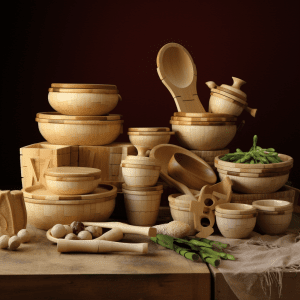
Bamboo Cookware
Sustainable and Stylish Cookware to Elevate Your Kitchen Experience
Product information
Product Review Score
4.38 out of 5 stars
126 reviews