From Decoration to Essential Tool: The Ubiquitous Presence of Bamboo in Ancient Civilizations
The versatile and sustainable plant, bamboo, has played a significant role in the daily lives of ancient civilizations across the globe. From its early usage as a decorative element to becoming an essential tool, the presence of bamboo has permeated various aspects of ancient cultures.
Ancient civilizations recognized the beauty and aesthetic appeal of bamboo, using it extensively for decoration purposes. In China, bamboo was considered a symbol of longevity and was often incorporated into artwork and architecture. From delicate bamboo carvings adorning temples to intricate bamboo weavings adorning clothing, this remarkable plant added an elegant touch to the visual landscape of ancient Chinese society.
Beyond its decorative value, bamboo proved to be an essential tool for countless ancient civilizations due to its incredible strength and versatility. In construction, bamboo was employed as a building material for houses, bridges, and scaffolding. Its tensile strength and flexibility allowed for the construction of sturdy structures that could withstand various weather conditions.
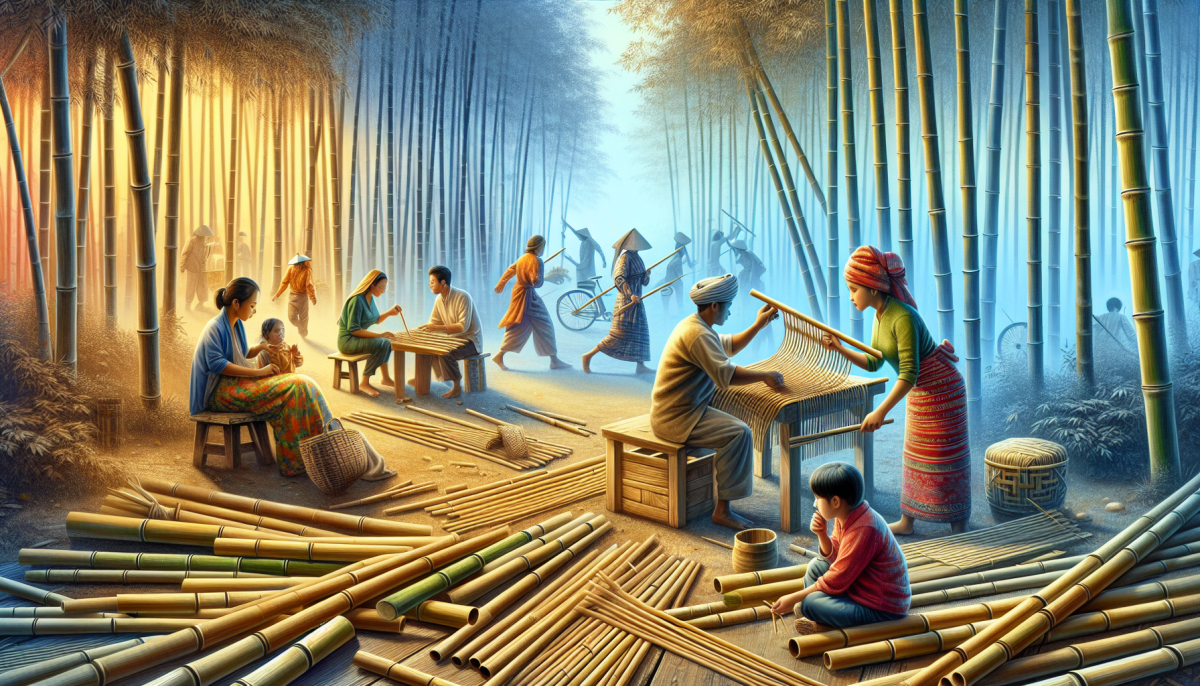
Furthermore, bamboo's fibrous nature made it an ideal material for various forms of craftsmanship. Ancient societies crafted everyday items such as baskets, mats, and furniture from bamboo. Its lightweight and durable properties made these objects practical for daily use. In addition, bamboo's natural resistance to pests and fungi proved advantageous in creating storage containers for food and other perishables.
Bamboo also played a vital role in agriculture. Its rapid growth rate and versatility made it an excellent crop for erosion control, especially in hilly or mountainous regions. Harvesting bamboo was a sustainable practice as it regenerated quickly without the need for replanting. Ancient civilizations discovered the benefits of using bamboo stakes for supporting plants and even implemented bamboo irrigation systems to efficiently distribute water in agricultural fields.
Not limited to practical applications, bamboo also held cultural and spiritual significance in ancient civilizations. In Southeast Asia, bamboo played a central role in various rituals and ceremonies. Bamboo instruments produced melodic sounds, and ancient societies believed that these sounds had the power to ward off evil spirits and bring about harmony and good fortune.
In conclusion, the ubiquitous presence of bamboo in ancient civilizations went far beyond its decorative value. It served as an essential tool, a sustainable resource, and a crucial element of cultural and spiritual practices. Its enduring significance across various aspects of daily life is a testament to the remarkable qualities of this versatile plant, making it an integral part of ancient history.
The Versatility of Bamboo: How It Shaped Daily Life in Ancient Societies
Bamboo, a remarkable plant known for its strength and flexibility, played a pivotal role in the daily life of ancient societies. With its abundance and various uses, this natural resource became an integral part of their existence, shaping their cultures and civilizations in unexpected ways.
In ancient communities, bamboo served as a fundamental building material. Its hallow shoots were ideal for constructing houses, bridges, and even entire villages. Bamboo houses provided shelter, protection, and a sense of security against the elements. The flexibility of the material allowed these structures to withstand earthquakes, strong winds, and heavy rains, making them a reliable and sustainable housing solution.
Beyond construction, bamboo played a vital role in the development of agriculture, particularly in the irrigation systems of ancient societies. Bamboo pipes and channels were used for transporting water from rivers and streams to fields, ensuring efficient irrigation and higher crop yields. Its lightweight and durability made it a practical solution, making the agricultural practices of these societies more advanced and sustainable.
In addition to its structural and agricultural applications, bamboo was also widely used in the creation of everyday items. Ancient societies crafted a plethora of utensils, tools, and furniture from bamboo. Its naturally antibacterial and antifungal properties made it ideal for making containers to store food and keep it fresh for extended periods. Additionally, bamboo was fashioned into plates, bowls, cups, and cutlery, aiding in cooking, eating, and serving meals. The versatility of bamboo allowed its transformation into various household goods, from mats and baskets to musical instruments and furniture, providing functionality and aesthetic appeal.
Another intriguing use of bamboo in ancient societies was its role in transportation systems. Bamboo canoes and rafts were common means of traveling through rivers and waterways, facilitating trade, exploration, and communication. Its buoyancy and flexibility made it an ideal material for navigating water bodies with ease.
Furthermore, bamboo was not only a practical resource but also held symbolic significance in ancient societies. It featured prominently in religious ceremonies, art, and architecture. Its elegance and grace were often associated with qualities such as strength, resilience, and longevity.
The versatility of bamboo revolutionized the lives of ancient societies, providing them with sturdy structures, efficient irrigation, daily essentials, and even artistic expression. Its abundance, sustainability, and adaptability made it an essential and cherished resource. As we examine bamboo's profound influence on ancient civilizations, we gain a deeper appreciation for the ingenuity and resourcefulness of our ancestors.
Symbolic Significance and Ritual Uses: Exploring the Sacral Aspect of Bamboo in Ancient Cultures
In addition to its practical applications, bamboo held significant symbolic importance and played a crucial role in various ancient cultures around the world. Across continents and throughout centuries, this versatile plant was widely revered and incorporated into religious rituals, ceremonies, and cultural practices. By exploring the sacral aspect of bamboo in ancient cultures, we can gain a deeper understanding of its symbolic significance and the profound influence it had on these societies.
The Divine Connection
Bamboo's association with the divine can be traced back to ancient East Asia. In China, this remarkable plant was synonymous with resilience, as it bends but never breaks, symbolizing perseverance and strength. It became a potent metaphor for human character and spirit. Chinese philosophical traditions such as Confucianism and Taoism often highlighted bamboo's qualities to convey moral values and guide human behavior.
Similarly, in Japan, bamboo became a sacred symbol embodying the harmony between nature and humanity. Known as "Take no Ko" or "child of bamboo," it was considered an auspicious plant associated with protection, good luck, and purification rituals. Its hollow interior was seen as a channel for spiritual energy, and bamboo forests served as serene spaces for meditation and contemplation.
Ritual Uses and Ceremonies
Bamboo's significant role in rituals and ceremonies extended far beyond East Asia. In ancient India, the plant held great importance in Hindu rituals. Its strong and flexible nature made it popular for constructing poles or arches used during religious processions and festivals. Additionally, bamboo was used to create sacred fire altars, providing a link between the earthly and divine realms.
Similarly, in many indigenous cultures in Central and South America, bamboo was widely employed in religious ceremonies and spiritual practices. For instance, in the Amazon rainforest, indigenous tribes considered bamboo a sacred plant associated with fertility and abundance. They used the plant's hollow stems to create musical instruments, such as flutes and drums, that were believed to connect them with ancestral spirits.
Architectural Marvels and Sacred Spaces
Bamboo's versatility was also evident in its use for constructing architectural marvels and sacred spaces in ancient cultures. The ancient Maya civilization marvelously incorporated bamboo into their intricate designs for buildings, not only as a structural material but also as a decorative element. This architectural usage emphasized the significance of bamboo as a sacred and awe-inspiring plant.
In ancient Southeast Asia, bamboo was a fundamental building material in religious structures, such as temples, monasteries, and shrines. The iconic "sao rai" roofs of Thai temples, with their elaborate bamboo lattice designs, symbolized the mythical connection between heaven and earth. These structures, crafted with great precision and adorned with intricate carvings, reflected the spiritual reverence placed on bamboo.
Exploring the sacral aspect of bamboo in ancient cultures reveals the profound significance and ritualistic practices associated with this remarkable plant. From symbolizing resilience and moral values to being an auspicious and protective force, bamboo played an integral role in religious ceremonies and cultural practices across the globe. Its versatility as a building material allowed for the creation of architectural marvels that epitomized the sacred connection between the divine and earthly realms. Understanding the symbolic significance of bamboo in ancient cultures enables us to appreciate the depth of human reverence and the enduring impact this extraordinary plant had on societies throughout history.