Bamboo, commonly known for its use in construction and as a material for various household items, has surprisingly found its way into kitchens as a secret ingredient that adds a unique touch to dishes. This versatile plant, which grows abundantly across Asia, offers a range of culinary benefits that are sure to elevate your cooking game.
The tender shoots of bamboo lend a subtly sweet and crisp flavor to numerous Asian dishes. Boasting a delightful crunch, they are often used in stir-fries, soups, and curries. Bamboo shoots are not only delicious, but they are also highly nutritious, rich in fiber, vitamins, and minerals. Their versatility allows them to absorb the flavors of the dish they're cooked in, making them a versatile ingredient that complements various flavors and spices.
Bamboo is not limited to shoots, though. The leaves of this plant are another culinary gem. In some Asian cuisines, dishes are wrapped in bamboo leaves and steamed, infusing them with a delicately earthy aroma. These aromatic leaves can be used to prepare a range of dishes, from sticky rice parcels to savory meat fillings, delivering a burst of flavor that is utterly irresistible.
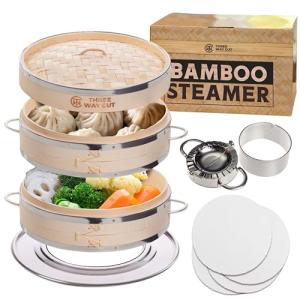
Furthermore, bamboo is not just limited to its direct culinary contributions. It can also serve as a cooking tool, particularly as a steamer. Bamboo steamers are revered for their ability to evenly distribute heat, resulting in perfectly cooked food. This traditional method of steaming has been utilized for centuries and is still praised for preserving the natural flavors and textures of ingredients, offering a healthier cooking alternative.
Unleashing the Flavors: Bamboo in Traditional Cuisine
Bamboo, a plant commonly associated with its tall and sturdy shoots, has been a fundamental ingredient in traditional cuisine across various cultures for centuries. Its versatility, unique taste, and nutritional value make it a secret ingredient that adds depth and complexity to numerous dishes.
In Asian cuisine, bamboo shoots are often incorporated into stir-fries, soups, curries, and noodle dishes, where their tender yet crunchy texture adds a delightful contrast. These shoots have a mild flavor on their own, allowing them to absorb the rich flavors of spices, sauces, and herbs that they are cooked with. Bamboo shoots are also a good source of dietary fiber, vitamins, and minerals, making them an excellent choice for health-conscious individuals.
The use of bamboo leaves as a cooking vessel is another fascinating tradition. In some cultures, food is wrapped in bamboo leaves before being steamed or grilled, imparting a unique aroma and flavor to the dish. This technique is commonly employed in preparing sticky rice, where the natural fragrance of the bamboo leaves seeps into the rice, resulting in a delightful and subtly fragrant treat.
Furthermore, bamboo charcoal, derived from bamboo stalks, is widely used for cooking and as an ingredient in food items due to its natural detoxifying properties. It is often incorporated into recipes to enhance the color, texture, and taste of the final dish. Additionally, bamboo charcoal is believed to aid digestion and promote overall well-being.
Beyond Ordinary: Elevating your Recipes with Bamboo
When it comes to adding a unique touch to your culinary creations, bamboo is the secret ingredient that can take your cooking to the next level. This versatile plant, known not only for its sustainability and strength but also for its impressive culinary potential, has been used for centuries in Asian cuisine and is now making its way into kitchens worldwide.
One of the key qualities that make bamboo an exceptional addition to any recipe is its ability to impart a subtle and distinct flavor to dishes. Whether you're steaming, grilling, or stir-frying, using bamboo as a cooking vessel can infuse your food with a delightful earthy aroma, creating a truly memorable dining experience.
Moreover, bamboo has incredible heat retention properties, making it an ideal material for cooking and serving. Its natural insulating qualities help your dishes stay warm for longer periods, ensuring that your guests can savor each bite at the perfect temperature. Be it a steaming bowl of fragrant rice or a hearty stir-fry, serving your food in bamboo vessels adds a touch of elegance and keeps your meals more enjoyable.
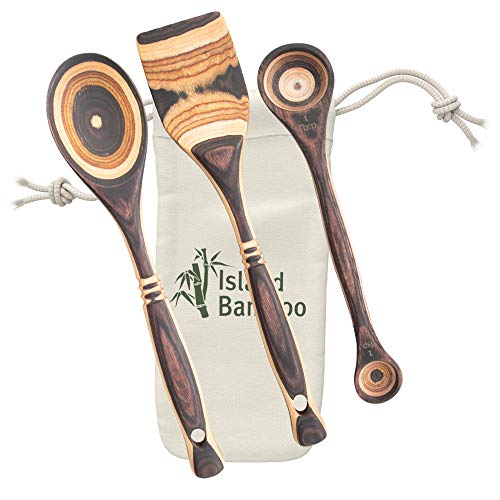
Not only does bamboo enhance the flavor and presentation of your dishes, but it also offers practical benefits. Bamboo utensils, like spatulas and tongs, are gentle on non-stick surfaces, ensuring your pots and pans remain scratch-free. Additionally, bamboo cutting boards are not only aesthetically pleasing, but they are also naturally antimicrobial, making them a hygienic choice for your kitchen.
So, if you're looking to elevate your recipes and impress your family or dinner guests, give bamboo a try. Its unique taste, exceptional heat retention, and practical properties make it the perfect secret ingredient for taking your cooking from ordinary to extraordinary. Explore the vast possibilities of bamboo in your kitchen and take delight in the delicious results!
Cooking Green: Bamboo's Sustainable Impact on Gastronomy
Bamboo, often overlooked as a culinary asset, has been gaining recognition as an eco-friendly secret ingredient in the world of cooking. In addition to being the fastest-growing plant on the planet, bamboo is also incredibly versatile and sustainable. Chefs around the globe are now using this humble plant to enhance the flavors, presentation, and overall sustainability of their dishes.
One of the most remarkable attributes of bamboo is its eco-friendly growth cycle. Unlike traditional hardwood trees, bamboo can reach its full size and maturity in just a few years. This rapid growth allows for more frequent harvests without the need for replanting, making it a highly sustainable resource for the culinary industry. By using bamboo in their kitchens, chefs are contributing to a greener and more sustainable gastronomy.
Bamboo’s culinary applications are diverse, extending beyond just the physical plant structure. The bamboo shoot, for example, is a popular ingredient in Asian cuisines, renowned for its unique texture and subtle flavor. Bamboo can also be incorporated into utensils, plates, and cutting boards, providing an eco-friendly alternative to traditional materials like plastic or wood. Additionally, bamboo charcoal, derived from the plant, offers an innovative way to impart smoky flavors to dishes.
Bamboo, commonly known for its use in construction and as a material for various household items, has surprisingly found its way into kitchens as a secret ingredient that adds a unique touch to dishes. This versatile plant, which grows abundantly across Asia, offers a range of culinary benefits that are sure to elevate your cooking game.
The tender shoots of bamboo lend a subtly sweet and crisp flavor to numerous Asian dishes. Boasting a delightful crunch, they are often used in stir-fries, soups, and curries. Bamboo shoots are not only delicious, but they are also highly nutritious, rich in fiber, vitamins, and minerals. Their versatility allows them to absorb the flavors of the dish they're cooked in, making them a versatile ingredient that complements various flavors and spices.
Bamboo is not limited to shoots, though. The leaves of this plant are another culinary gem. In some Asian cuisines, dishes are wrapped in bamboo leaves and steamed, infusing them with a delicately earthy aroma. These aromatic leaves can be used to prepare a range of dishes, from sticky rice parcels to savory meat fillings, delivering a burst of flavor that is utterly irresistible.
Furthermore, bamboo is not just limited to its direct culinary contributions. It can also serve as a cooking tool, particularly as a steamer. Bamboo steamers are revered for their ability to evenly distribute heat, resulting in perfectly cooked food. This traditional method of steaming has been utilized for centuries and is still praised for preserving the natural flavors and textures of ingredients, offering a healthier cooking alternative.
Unleashing the Flavors: Bamboo in Traditional Cuisine
Bamboo, a plant commonly associated with its tall and sturdy shoots, has been a fundamental ingredient in traditional cuisine across various cultures for centuries. Its versatility, unique taste, and nutritional value make it a secret ingredient that adds depth and complexity to numerous dishes.
In Asian cuisine, bamboo shoots are often incorporated into stir-fries, soups, curries, and noodle dishes, where their tender yet crunchy texture adds a delightful contrast. These shoots have a mild flavor on their own, allowing them to absorb the rich flavors of spices, sauces, and herbs that they are cooked with. Bamboo shoots are also a good source of dietary fiber, vitamins, and minerals, making them an excellent choice for health-conscious individuals.
The use of bamboo leaves as a cooking vessel is another fascinating tradition. In some cultures, food is wrapped in bamboo leaves before being steamed or grilled, imparting a unique aroma and flavor to the dish. This technique is commonly employed in preparing sticky rice, where the natural fragrance of the bamboo leaves seeps into the rice, resulting in a delightful and subtly fragrant treat.
Furthermore, bamboo charcoal, derived from bamboo stalks, is widely used for cooking and as an ingredient in food items due to its natural detoxifying properties. It is often incorporated into recipes to enhance the color, texture, and taste of the final dish. Additionally, bamboo charcoal is believed to aid digestion and promote overall well-being.
Beyond Ordinary: Elevating your Recipes with Bamboo
When it comes to adding a unique touch to your culinary creations, bamboo is the secret ingredient that can take your cooking to the next level. This versatile plant, known not only for its sustainability and strength but also for its impressive culinary potential, has been used for centuries in Asian cuisine and is now making its way into kitchens worldwide.
One of the key qualities that make bamboo an exceptional addition to any recipe is its ability to impart a subtle and distinct flavor to dishes. Whether you're steaming, grilling, or stir-frying, using bamboo as a cooking vessel can infuse your food with a delightful earthy aroma, creating a truly memorable dining experience.
Moreover, bamboo has incredible heat retention properties, making it an ideal material for cooking and serving. Its natural insulating qualities help your dishes stay warm for longer periods, ensuring that your guests can savor each bite at the perfect temperature. Be it a steaming bowl of fragrant rice or a hearty stir-fry, serving your food in bamboo vessels adds a touch of elegance and keeps your meals more enjoyable.
Not only does bamboo enhance the flavor and presentation of your dishes, but it also offers practical benefits. Bamboo utensils, like spatulas and tongs, are gentle on non-stick surfaces, ensuring your pots and pans remain scratch-free. Additionally, bamboo cutting boards are not only aesthetically pleasing, but they are also naturally antimicrobial, making them a hygienic choice for your kitchen.
So, if you're looking to elevate your recipes and impress your family or dinner guests, give bamboo a try. Its unique taste, exceptional heat retention, and practical properties make it the perfect secret ingredient for taking your cooking from ordinary to extraordinary. Explore the vast possibilities of bamboo in your kitchen and take delight in the delicious results!
Cooking Green: Bamboo's Sustainable Impact on Gastronomy
Bamboo, often overlooked as a culinary asset, has been gaining recognition as an eco-friendly secret ingredient in the world of cooking. In addition to being the fastest-growing plant on the planet, bamboo is also incredibly versatile and sustainable. Chefs around the globe are now using this humble plant to enhance the flavors, presentation, and overall sustainability of their dishes.
One of the most remarkable attributes of bamboo is its eco-friendly growth cycle. Unlike traditional hardwood trees, bamboo can reach its full size and maturity in just a few years. This rapid growth allows for more frequent harvests without the need for replanting, making it a highly sustainable resource for the culinary industry. By using bamboo in their kitchens, chefs are contributing to a greener and more sustainable gastronomy.
Bamboo’s culinary applications are diverse, extending beyond just the physical plant structure. The bamboo shoot, for example, is a popular ingredient in Asian cuisines, renowned for its unique texture and subtle flavor. Bamboo can also be incorporated into utensils, plates, and cutting boards, providing an eco-friendly alternative to traditional materials like plastic or wood. Additionally, bamboo charcoal, derived from the plant, offers an innovative way to impart smoky flavors to dishes.
4.38 out of 5 stars
Bamboo Cookware
Sustainable and Stylish Cookware to Elevate Your Kitchen Experience
Product information
Product Review Score
Product links