Bamboo Kitchenware: Transforming Sustainable Cooking Practices
The Rise of Bamboo: A Sustainable Kitchen Revolution
In recent years, there has been a growing interest in sustainable practices when it comes to our food and cooking habits. One such revolution in the kitchenware industry is the rise of bamboo as a sustainable alternative to traditional materials. Bamboo has become a popular choice due to its many environmental benefits and versatile use in the kitchen.
Firstly, bamboo is an incredibly sustainable resource. It is one of the fastest-growing plants on Earth, with some species growing at a rate of up to three feet per day! This rapid growth allows bamboo to be harvested and replenished much more quickly compared to traditional wood materials. Moreover, bamboo requires no pesticides or fertilizers, making it a natural and eco-friendly choice for kitchenware production.
In addition to its sustainable characteristics, bamboo kitchenware offers numerous advantages. Bamboo utensils, chopping boards, and bowls are known for their durability and strength. They are highly resistant to scratches, stains, and even odors, ensuring longevity and reliability. Bamboo's natural antibacterial properties also make it a hygienic choice, reducing the risk of bacteria buildup on kitchen surfaces.
Furthermore, bamboo kitchenware showcases an aesthetic appeal that perfectly complements modern kitchen designs. The smooth and light texture of bamboo, with its natural grain patterns, adds a touch of elegance to any culinary setup. Additionally, bamboo's lightweight nature makes it convenient for everyday use, enabling easy maneuvering and handling of kitchen tools.
To sum up, the rise of bamboo kitchenware is transforming sustainable cooking practices. With its sustainability, durability, hygiene, and aesthetic appeal, bamboo has become an increasingly popular choice for eco-conscious consumers. As we continue to prioritize environmentally friendly options in our kitchens, bamboo emerges as a versatile and environmentally sound alternative.
From Cutting Boards to Utensils: Bamboo's Versatile Role
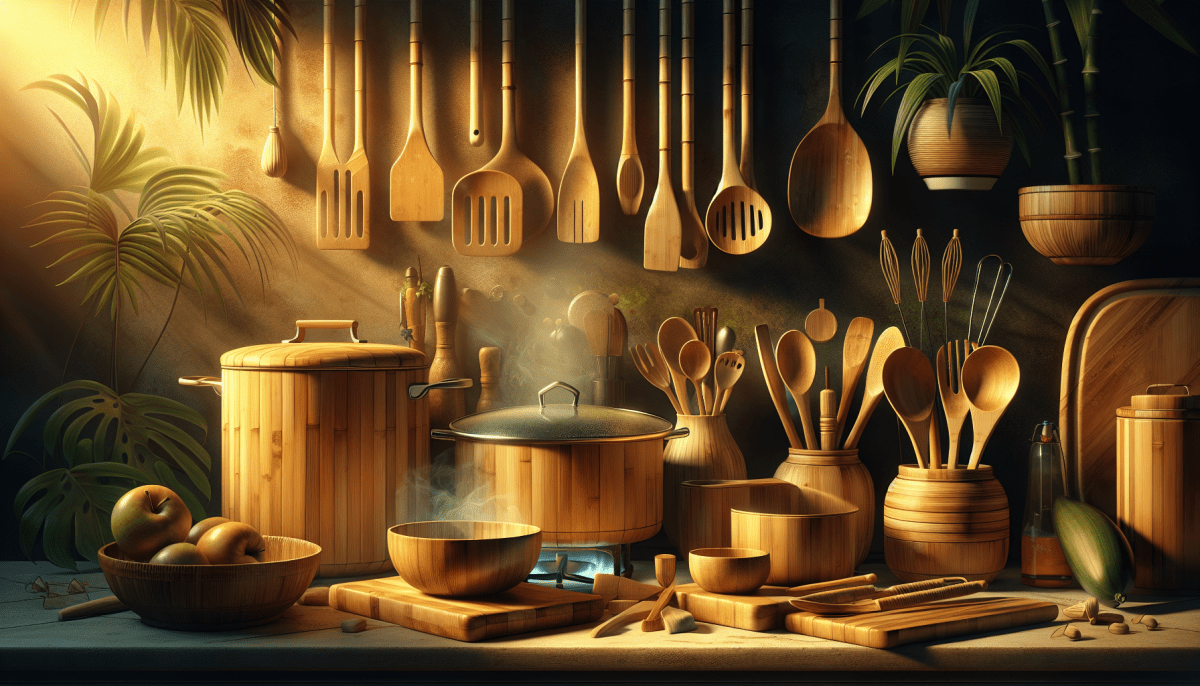
In recent years, bamboo has emerged as a popular material choice for kitchenware due to its numerous benefits and sustainable nature. From cutting boards to utensils, bamboo has proven to be a versatile and environmentally friendly alternative to conventional materials.
One of the primary reasons bamboo is widely used in kitchenware is its exceptional durability. Bamboo fibers are incredibly strong and resistant to cuts, making bamboo cutting boards a favored choice among chefs. Moreover, bamboo's natural water resistance minimizes the risk of warping or cracking, ensuring a longer lifespan for kitchen tools and reducing the need for replacements.
Bamboo's sustainability is another significant advantage in the kitchenware industry. Unlike traditional hardwoods, bamboo is a fast-growing grass that can be harvested every few years without causing significant environmental damage. This makes it an ideal renewable resource for reducing deforestation and promoting a more sustainable way of cooking.
Beyond its durability and sustainability, bamboo kitchenware also offers numerous benefits to cooks. Bamboo utensils, for example, are gentle on cookware, preventing scratches and preserving non-stick surfaces. Additionally, bamboo's natural antimicrobial properties make it resistant to bacterial growth, ensuring healthier food preparation and reducing the risks of cross-contamination.
Why Bamboo is the Eco-Friendly Cook's Best Friend
Why Bamboo is the Eco-Friendly Cook's Best Friend
When it comes to sustainable cooking practices, bamboo kitchenware has gained immense popularity in recent years, and for good reason. This versatile and eco-friendly material has become the go-to choice for many environmentally-conscious cooks. Here are a few key reasons why bamboo kitchenware should be every eco-friendly cook's best friend:
1. Renewable and Rapidly Regenerating Resource
Bamboo is one of the fastest-growing plants on Earth, making it highly renewable and an excellent alternative to traditional materials like wood or plastic. Its rapid growth rate allows bamboo to be harvested in a sustainable manner, ensuring that the supply can keep up with the increasing demand for eco-friendly kitchenware.
2. Natural and Chemical-Free
Bamboo kitchenware is not only durable but also naturally non-toxic. Unlike plastic or metal utensils, bamboo does not leach harmful chemicals into food. This makes it a safe choice for food preparation, ensuring that both the environment and your health are protected.
3. Biodegradable and Compostable
Once you've reached the end of your bamboo kitchenware's lifespan, you can rest easy knowing it won't contribute to the ever-growing landfills. Bamboo is biodegradable, meaning it will naturally break down over time. Additionally, it can be composted at home, returning valuable nutrients to the soil and reducing waste.
4. Lightweight and Versatile
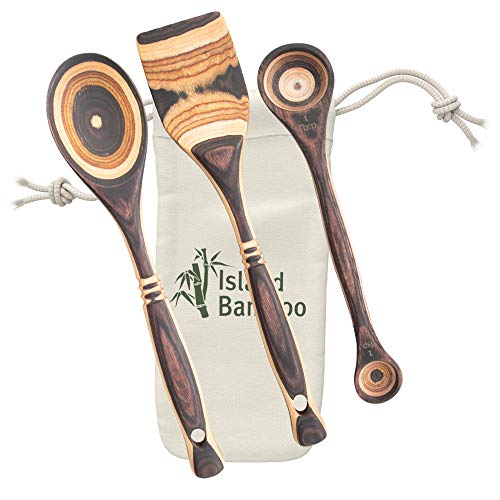
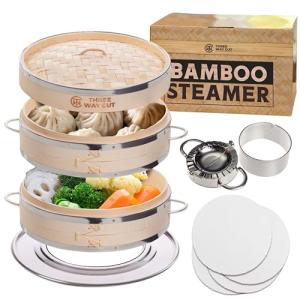
Bamboo kitchenware is known for its lightweight yet sturdy nature. It is easy to handle and doesn't scratch delicate cookware like metal utensils might. Moreover, bamboo is an incredibly versatile material that can be crafted into a wide range of kitchen tools – from cutting boards and spoons to bowls and steamers – catering to all your cooking needs.
5. Sustainable and Carbon-Neutral
Last but not least, bamboo offers a sustainable solution to reducing our carbon footprint. As a fast-growing plant, bamboo absorbs large quantities of carbon dioxide during its growth, making it an effective natural carbon sink. Choosing bamboo kitchenware over other materials helps to support sustainable farming practices and contributes to a healthier planet.
Bamboo Kitchenware: Enhancing Health and Preserving the Planet
In today's fast-paced world, where convenience often takes precedence over sustainability, it is crucial to adopt eco-friendly practices that prioritize both our health and the environment. Bamboo kitchenware is proving to be a transformative force in promoting sustainable cooking practices that align with our modern lifestyles.
One of the key reasons behind the growing popularity of bamboo kitchenware is its health benefits. Unlike plastic or metal alternatives, bamboo is a natural material that does not leach harmful chemicals into our food. This makes it an ideal choice for cooking and storing food, as it ensures that our meals remain safe and free from toxins. Additionally, bamboo is non-porous, meaning it does not absorb odors or flavors, thereby preserving the taste and quality of our dishes.
Furthermore, bamboo is an incredibly renewable resource. It is one of the fastest-growing plants on Earth, with some species growing up to three feet per day. This rapid growth rate allows for abundant harvests without depleting the plant population. Additionally, bamboo requires very little water, pesticides, or fertilizers to thrive, making it an incredibly sustainable choice for kitchenware.
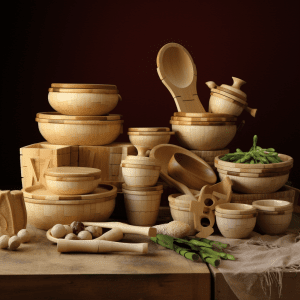
Bamboo Cookware
Sustainable and Stylish Cookware to Elevate Your Kitchen Experience
Product information
Product Review Score
4.38 out of 5 stars
126 reviews