Bamboo, a versatile and sustainable material, has been an integral part of various cultures for centuries. In recent years, this humble grass has gained renewed attention as a key component in modern innovations, revitalizing ancient cooking methods. With its incredible strength, flexibility, and natural properties, bamboo has proven itself to be an invaluable resource in the modern world.
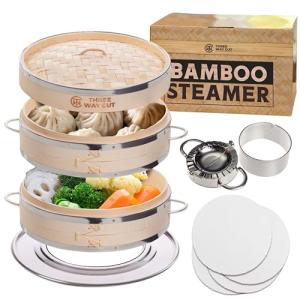
One of the most remarkable modern uses of bamboo is its application in cooking tools. Inspired by ancient techniques, innovative designers have developed a range of bamboo utensils that provide a unique and eco-friendly alternative to traditional kitchen equipment. Bamboo steamers, for example, have become increasingly popular for their ability to evenly distribute heat and moisture, ensuring the perfect results for steamed dishes. Additionally, bamboo skewers and chopsticks offer a sustainable alternative to plastic utensils, while imparting a delightful earthy flavor to food.
Beyond its use in cooking utensils, bamboo has also found its way into kitchen appliances. Bamboo charcoal, known for its excellent absorption properties, has been incorporated into water purifiers and air filters. Improving on traditional methods, these appliances efficiently remove impurities and odors, contributing to a healthier living environment. Furthermore, bamboo cutting boards have gained popularity for their durability, knife-friendliness, and natural antimicrobial properties.
From Ancient Traditions to Contemporary Kitchens: Bamboo's Resurgence
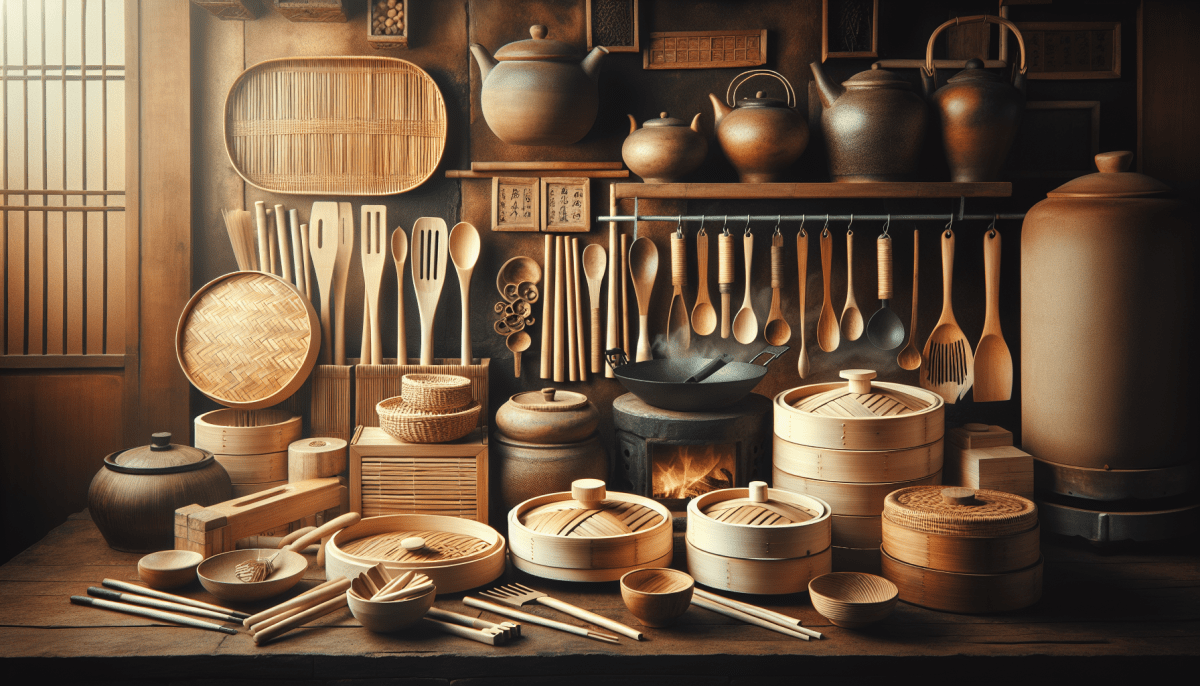
Bamboo, a natural resource that has been used for centuries, is witnessing a renaissance in modern kitchens around the world. From Asia to Africa and beyond, ancient cooking methods that employed bamboo tools are being resurrected and modified to suit the needs of contemporary chefs. The unique properties of bamboo, such as its strength, sustainability, and heat resistance, make it an ideal material for culinary applications.
One of the most iconic uses of bamboo in cooking is in the creation of bamboo steamer baskets. Originating in ancient China, these baskets allow food to be cooked gently and evenly by harnessing the power of steam. Today, chefs worldwide are rediscovering this traditional method and incorporating it into their repertoire. Whether used for steaming dumplings, vegetables, or fish, bamboo steamers have become a symbol of healthy and flavorful cuisine.
Another ancient practice that has resurfaced in modern kitchens is the use of bamboo skewers. These long, slender sticks were traditionally used in Southeast Asia and Africa for grilling marinated meats and vegetables. Today, they are a popular choice for home cooks and professional chefs alike. Bamboo skewers have the added benefit of being eco-friendly, as they are biodegradable and minimize waste in comparison to their metal counterparts.
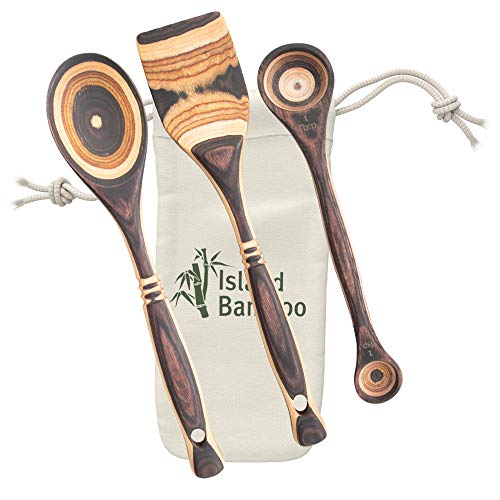
Beyond utensils, bamboo is also being used in contemporary kitchenware. Cutting boards, for example, have found a new iteration in bamboo's sturdy and knife-friendly surface. The natural grain pattern of bamboo makes it not only functional but also aesthetically pleasing. In addition to cutting boards, bamboo bowls, spoons, and spatulas are increasingly seen in modern kitchens, providing a sustainable and stylish alternative to traditional options.
As more people embrace sustainability and seek a connection to ancient culinary practices, bamboo's resurgence in modern cooking is unsurprising. From steaming to grilling, and even as kitchenware, bamboo's versatility and eco-friendly nature make it an ideal choice for those seeking to combine tradition with contemporary aesthetics in their cooking endeavors.
Embracing Sustainable Cooking: The Bamboo Revolution Begins
As the world continues to grapple with the adverse effects of climate change and environmental degradation, there is an increasing focus on adopting sustainable practices in all aspects of life, including cooking. In recent years, a remarkable revolution in the culinary world has been gaining momentum - the revival of ancient cooking methods using modern bamboo tools.
Bamboo, often referred to as nature's wonder plant, has been utilized for centuries in various cultures for its versatility and sustainability. From housing construction to crafting everyday items, bamboo has now made its way into our kitchens. The use of bamboo cooking tools not only pays homage to ancient traditions but also offers a range of benefits for our planet and our health.
One of the key advantages of bamboo cooking tools is their eco-friendliness. Unlike metal or plastic utensils that require extensive resources and energy in their production, bamboo is a highly renewable resource. It grows rapidly and can be harvested without causing any harm to the plant or its surrounding ecosystem. By choosing bamboo tools, one can significantly reduce their carbon footprint and contribute to a more sustainable future.
In addition to their sustainability, bamboo tools also offer practical benefits. The natural properties of bamboo make it an excellent choice for cooking utensils. It is naturally heat resistant, preventing burns or warping even at high temperatures. Furthermore, bamboo has antimicrobial properties that inhibit the growth of bacteria, making it a hygienic choice for food preparation. Its strength and durability ensure that these tools can withstand the rigors of daily cooking, providing longevity for the eco-conscious chef.
Bamboo Tools: A Glimpse into the Future of Eco-Friendly Culinary
In recent years, there has been a growing awareness of the environmental impact of the choices we make in our everyday lives. This consciousness extends to the kitchen, where sustainable and eco-friendly alternatives are gaining recognition. Bamboo, a fast-growing and renewable resource, has emerged as a popular material for culinary tools, offering a glimpse into the future of eco-friendly cooking.
One of the key advantages of bamboo tools is their durability. With proper care, bamboo utensils can last for years without losing their shape or functionality. Moreover, bamboo resists staining and heat, making it an ideal choice for various cooking tasks. From spatulas and spoons to cutting boards and steamers, bamboo tools provide a sustainable alternative to their plastic or metal counterparts.
Beyond their durability, bamboo tools also offer a touch of elegance and natural beauty to the kitchen. The light-colored and smooth texture of bamboo adds a visually appealing element to the cooking experience. Additionally, bamboo's organic properties make it naturally antimicrobial, reducing the risk of bacterial contamination. This makes bamboo tools not only eco-friendly but also hygienic, providing a safe and healthy cooking environment.
4.38 out of 5 stars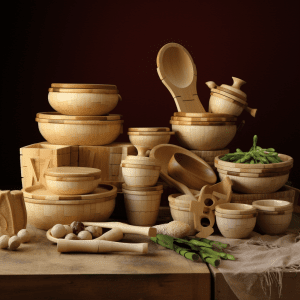
Bamboo Cookware
Sustainable and Stylish Cookware to Elevate Your Kitchen Experience
Product information
Product Review Score
Product links