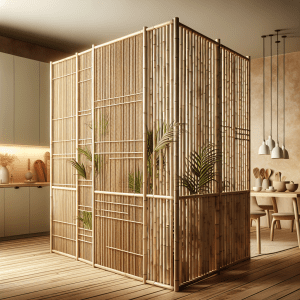
Bamboo, with its natural beauty and sustainable qualities, has emerged as an excellent choice for kitchen interiors. This versatile material not only adds a touch of elegance to any kitchen but also promotes eco-friendliness. Let's explore some reasons why bamboo has become a go-to option for those seeking to embrace natural aesthetics in their kitchens.
Eco-Friendliness
As a fast-growing grass, bamboo is a highly sustainable resource. Unlike hardwood trees that take decades to mature, bamboo grows rapidly and can be harvested within 3-5 years. Its rapid growth rate makes it a renewable and easily replenishable material. Moreover, bamboo requires very little water, doesn't need harmful pesticides, and produces more oxygen than traditional hardwood trees. By choosing bamboo for your kitchen, you are making an eco-conscious choice and contributing to the reduction of deforestation.
Durability and Strength
Don't be fooled by its lightweight appearance - bamboo is surprisingly durable. Its unique structure provides excellent strength and durability, making it an ideal material for kitchen applications. From bamboo flooring to cutting boards and kitchen cabinets, bamboo products can withstand daily wear and tear, making them a long-lasting investment. Additionally, bamboo is more resistant to moisture and stains compared to traditional hardwood options, ensuring its longevity and low maintenance.
Natural Aesthetics
One of the most appealing aspects of bamboo is its natural beauty. Its light color, subtle grain patterns, and warm tones bring a sense of tranquility and harmony to a kitchen space. Whether you choose to incorporate bamboo as a countertop, backsplash, or kitchenware, it effortlessly adds a touch of elegance and sophistication. Additionally, bamboo's versatility allows it to seamlessly blend with various design styles, ranging from modern to rustic, making it a favored choice among interior designers and homeowners.
Elevate Your Kitchen: Exploring Bamboo's Versatile Design Potential
In recent years, homeowners and interior designers have been increasingly drawn to incorporating natural elements into kitchen interiors. Bamboo, with its unique blend of sustainability, durability, and aesthetic appeal, has emerged as a popular choice for enhancing the natural aesthetics of kitchen spaces. Not only does bamboo bring a sense of warmth and organic beauty, but it also offers versatile design potential that can elevate any kitchen to new heights.
1. Countertops and Surfaces
One of the prime areas where bamboo excels in kitchen design is through its usage in countertops and surfaces. Bamboo countertops provide a sleek and contemporary alternative to traditional materials like granite or marble. The natural grain pattern of bamboo adds an element of visual interest, creating a unique focal point in the kitchen. In addition, bamboo surfaces are highly durable and water-resistant, making them an ideal choice for areas prone to moisture, such as the kitchen sink or cooking range.
2. Cabinetry and Storage
Bamboo's versatility extends to cabinetry and storage solutions, offering a stylish and eco-friendly alternative to traditional wood options. Bamboo cabinets can lend a modern and clean look to the kitchen while also providing strength and durability. The natural color variations of bamboo can complement a wide range of color schemes, allowing for seamless integration into any kitchen design. Furthermore, bamboo's natural resistance to moisture and warping makes it an excellent choice for kitchen environments.
3. Flooring and Backsplash
Bamboo flooring has gained significant popularity in recent years due to its unique combination of beauty and sustainability. The natural beauty of bamboo can instantly transform the kitchen, adding a touch of elegance and warmth. It is not just visually appealing but also known for its strength and durability, making it an ideal choice for high-traffic areas like the kitchen. Additionally, bamboo can also be used as a backsplash alternative, creating a seamless transition between the countertops and the upper walls, bringing a cohesive look to the kitchen space.
Unleashing Nature's Charm: Bamboo's Serene and Organic Appeal
Bamboo, with its serene and organic appeal, has become an increasingly popular choice for incorporating natural aesthetics into kitchen interiors. Its unique qualities make it a versatile and eco-friendly material that can transform any kitchen into a tranquil haven. From flooring and countertops to cabinets and utensils, bamboo seamlessly blends functionality with a warm, earthy charm.
1. Sustainability at its Core
Bamboo is renowned for its sustainability and rapid growth. Unlike traditional hardwoods which can take years to replenish, bamboo reaches maturity in just a few years, making it a highly renewable resource. This innate characteristic of bamboo not only reduces deforestation but also allows homeowners to embrace eco-conscious choices.
2. Durability and Resilience
Don't let bamboo's light and delicate appearance deceive you. This resilient grass is 30% harder than oak, making it highly durable and long-lasting. Its inherent strength allows it to withstand the rigors of everyday kitchen activities, including cutting, chopping, and heat exposure. Bamboo also possesses natural water resistance, making it less prone to swelling or warping in moist environments.
3. Timeless Elegance
Bamboo effortlessly infuses a sense of tranquility and elegance into kitchen spaces. Its clean, straight lines and natural grain pattern provide a soothing aesthetic that pairs wonderfully with various design styles. Whether your kitchen boasts a modern, minimalist look or embraces a rustic, farmhouse theme, bamboo can adapt and enhance the overall atmosphere, creating a harmonious and inviting environment.
4. Versatile Applications
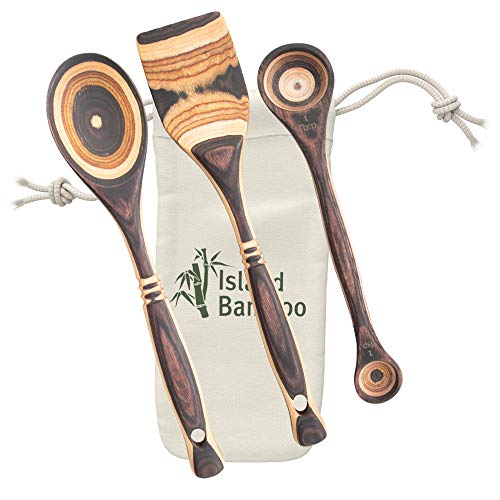
Bamboo's versatility shines through its wide range of applications in kitchen interiors. From bamboo flooring that adds warmth underfoot to bamboo countertops providing a beautiful surface for food preparation, the possibilities are vast. Bamboo cabinets and shelves, coupled with its customizable finishes, offer ample storage solutions while incorporating an organic feel. Additionally, bamboo utensils, bowls, and cutting boards bring a touch of nature to your cooking experience.
The Green Revolution: Redefining Kitchen Interiors with Bamboo
In recent years, there has been a growing trend in kitchen design towards incorporating natural elements. As homeowners seek sustainable and eco-friendly options, bamboo has emerged as a popular choice in kitchen interiors. With its unique aesthetic appeal and numerous benefits, bamboo is redefining the way we think about kitchen design and functionality.
One of the main reasons behind the rise of bamboo in kitchen interiors is its sustainability. Bamboo is considered one of the fastest-growing plants on Earth, making it a highly renewable resource. Unlike traditional hardwood, bamboo can be harvested in just a few years and does not require replanting. Its rapid growth rate and natural strength also make it a durable and long-lasting material for kitchen cabinets, countertops, and flooring.
Apart from its environmental benefits, bamboo adds a touch of natural warmth and elegance to any kitchen. Its light-colored, grainy texture creates a soothing and inviting ambiance in the space. Bamboo also offers versatility in design, as it can be used in various forms, such as solid panels, veneers, or even woven into intricate patterns. Its flexibility allows homeowners to incorporate bamboo into their kitchen interiors in innovative and artistic ways.
Additionally, bamboo is known for its resistance to moisture and heat, making it an ideal choice for kitchen environments. It is naturally antimicrobial and less prone to warping or swelling compared to other wood types. This makes bamboo an excellent option for kitchen cabinets, where it can withstand the humid conditions and constant exposure to water.
4.38 out of 5 stars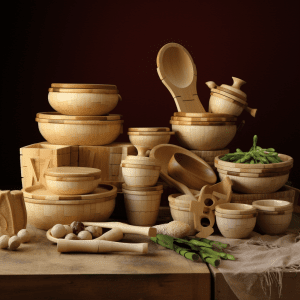
Bamboo Cookware
Sustainable and Stylish Cookware to Elevate Your Kitchen Experience
Product information
Product Review Score
Product links