Bamboo: From the Forest to Your Kitchen
In recent years, bamboo has seen a significant rise in popularity as a sustainable and versatile material used in many aspects of modern life. One area where bamboo has made a particularly impressive impact is in kitchen design. From cutting boards to utensils, flooring to cabinetry, bamboo has established itself as a go-to choice for eco-conscious homeowners. But have you ever wondered about the journey bamboo takes – from the forest to your kitchen? Let's take a closer look.
It all begins in the lush bamboo forests. Bamboo is a fast-growing grass that can reach maturity in just a few years, making it a highly sustainable resource. Once harvested, bamboo stalks are carefully selected to ensure optimal quality. These stalks are then cut into strips or fibers, which are treated to remove any impurities and ensure longevity. The resulting material can be used in its natural state or further processed to create various products for the modern kitchen.
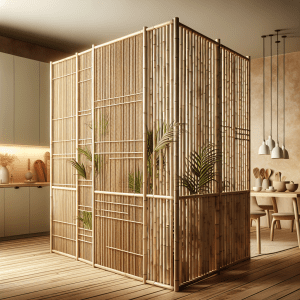
The versatility of bamboo is truly remarkable. It can be transformed into boards for cutting and serving food, offering a durable and naturally antimicrobial surface. Bamboo flooring has gained popularity due to its strength, sustainability, and attractive appearance. Its natural hardness makes it resistant to scratches and dents, while its light color brings a sense of warmth and tranquility to any kitchen space. Additionally, bamboo can be crafted into beautiful cabinetry, providing a sleek and sustainable option for storage solutions.
Beyond its aesthetic appeal, bamboo's eco-friendly and renewable nature contributes to its rising influence in modern kitchens. With growing concerns about deforestation and the impact of traditional materials such as hardwood, bamboo offers a viable alternative. Its rapid growth and the ability to harvest without killing the plant make it highly sustainable. Furthermore, bamboo absorbs more carbon dioxide and produces more oxygen than most plants, making it an excellent choice for reducing the carbon footprint of your kitchen.
Bamboo Revolution: Sustainable Solutions for Modern Homes
Bamboo, with its incredible strength, versatility, and eco-friendly qualities, has seen a skyrocketing popularity in modern kitchen design. As homeowners become more conscious of the environmental impact of their choices, bamboo stands out as a sustainable solution that offers both style and functionality. The rise of bamboo in modern kitchens is a testament to the growing trend of eco-conscious living and the desire for sustainable solutions in our homes.
One of the key reasons for bamboo's popularity in kitchen design is its incredible durability. Bamboo is known for its exceptional strength, often surpassing that of traditional hardwoods. It can withstand heavy usage, making it an ideal choice for kitchen countertops, cabinets, and flooring. Its natural resistance to scratches and stains ensures that bamboo surfaces retain their beauty even after years of use, making it a long-lasting and sustainable option for anyone looking to renovate or update their kitchen.
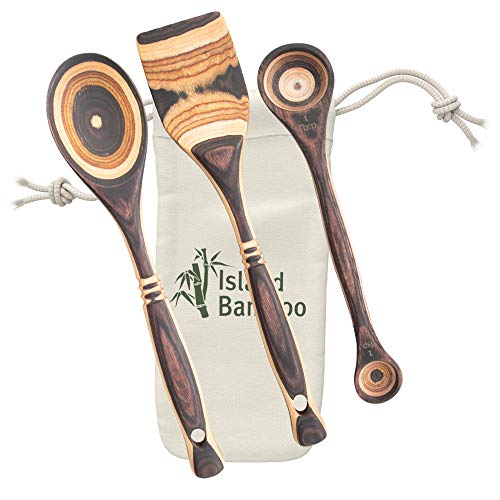
Beyond its durability, bamboo's aesthetic appeal is another reason it has gained traction in modern kitchens. Its natural, warm tones bring a sense of tranquility and organic beauty into the space. Whether used as flooring, cabinetry, or even kitchen utensils and cutting boards, bamboo instantly adds a touch of elegance and sophistication to any kitchen. Additionally, bamboo can be easily shaped and molded, allowing for innovative and creative designs that suit individual tastes and preferences.
Last but not least, the sustainability factor of bamboo continues to draw homeowners towards this versatile material. Bamboo is the fastest growing plant on Earth, maturing in just a few years compared to the decades required for traditional hardwood trees. Its rapid growth rate and ability to regenerate quickly make it a highly sustainable and renewable resource. Moreover, bamboo grows without the need for pesticides or fertilizers, making it an even greener choice for environmentally-conscious individuals looking to reduce their carbon footprint.
Bamboo's Versatility: Transforming Kitchens with Elegance and Durability
Bamboo, a rapidly renewable resource, has taken the modern kitchen design industry by storm. With its elegant appearance, durability, and exceptional versatility, bamboo is rapidly becoming the material of choice for kitchen furnishings and accessories.
One of the key factors driving the rising influence of bamboo is its remarkable aesthetic appeal. Natural bamboo creates a warm and inviting ambiance, bringing a touch of nature indoors. The light honey hues of bamboo lend a sense of elegance and sophistication to any kitchen space, whether it's a small apartment kitchen or a grand culinary haven.
In addition to its visual appeal, bamboo's durability cannot be underscored enough. This remarkable material is tougher than most hardwoods, making it highly resistant to scratches, stains, and the wear and tear of everyday kitchen activities. Bamboo easily withstands moisture, making it an ideal choice for countertops, cutting boards, and kitchen utensils. Furthermore, its natural resistance to bacterial growth ensures a more hygienic kitchen environment.
Bamboo's versatility allows it to be transformed into a myriad of kitchen elements, adding functionality and style to the modern kitchen. From sleek bamboo cabinets and drawers to flooring and even ceiling accents, bamboo can be seamlessly incorporated into various design elements of a kitchen. Its flexibility also extends to its ability to blend well with different color schemes and design styles, making it suitable for both rustic and contemporary kitchen spaces.
Embracing Nature: Bamboo's Way into Contemporary Kitchen Design
In recent years, there has been a noticeable shift towards incorporating sustainable materials in kitchen design. One material that has gained considerable popularity is bamboo. Bamboo offers a unique combination of strength, versatility, and eco-friendliness that has made it a rising star in modern kitchens.
Bamboo embodies the essence of nature and brings a sense of warmth and tranquility to any space. Its natural grain patterns and earthy tones create a connection with the outdoors, making it an ideal choice for those who seek to embrace nature within their homes. Additionally, bamboo is an incredibly renewable resource, growing at a rapid rate and reaching maturity within three to five years, as compared to traditional hardwood trees that can take decades to grow.
The versatility of bamboo is another factor driving its influence in contemporary kitchen design. Whether used as a flooring material, cabinetry, or countertops, bamboo offers flexibility and adaptability to various design styles. Its clean and minimalist aesthetic complements both modern and traditional kitchen spaces, making it a versatile choice for homeowners and designers alike.
The eco-friendliness of bamboo cannot be overstated. Its rapid growth rate, ability to absorb carbon dioxide, and low carbon footprint contribute to a more sustainable future. Choosing bamboo for kitchen design helps reduce deforestation and promotes the use of renewable resources, aligning with the growing global awareness of the need for sustainable materials that minimize harm to the environment.
4.38 out of 5 stars
Bamboo Cookware
Sustainable and Stylish Cookware to Elevate Your Kitchen Experience
Product information
Product Review Score
Product links