Bamboo, once considered an exotic material, has now become a popular choice in kitchen design, thanks to its sustainable qualities and stylish appeal. As our society becomes more conscious of eco-friendly alternatives, bamboo rises to the forefront as a practical and elegant option for kitchen renovation projects.
One of the key reasons why bamboo is a sustainable choice for kitchen design is its rapid growth. Unlike traditional hardwood trees, bamboo can grow up to 3 feet in just 24 hours, making it a highly renewable resource. Additionally, bamboo does not require chemical fertilizers or pesticides for cultivation, further reducing its environmental impact.
Aside from its eco-friendly nature, bamboo also adds a touch of sophistication to any kitchen aesthetic. Its light color and smooth texture create a contemporary and modern ambiance that seamlessly blends with various design styles. Whether used for flooring, cabinets, countertops, or even utensils, bamboo brings a warm and inviting atmosphere to the kitchen space.
From Chopping Boards to Countertops: Bamboo's Versatility
Bamboo, known for its incredible versatility and sustainability, is increasingly becoming a popular choice in kitchen design. Its evolution from being primarily used for chopping boards to being used as countertops showcases its adaptability and durability.
Traditionally, bamboo has been used in the kitchen as a material for chopping boards due to its strength and resistance to moisture. However, its unique properties have caught the attention of designers and homeowners alike, leading to its integration into countertops. Bamboo countertops are gaining popularity due to their natural beauty, eco-friendliness, and durability.
One of the key advantages of bamboo countertops is their sustainability. Bamboo is a highly renewable resource that grows rapidly and requires minimal water and pesticide usage. This makes it a much more environmentally friendly option compared to traditional hardwood materials. Additionally, bamboo's natural antibacterial properties make it a hygienic choice for food preparation areas in the kitchen.
Furthermore, the aesthetic appeal of bamboo countertops cannot be overlooked. The light color and distinct grain pattern of bamboo offers a warm and contemporary look that complements various kitchen styles. Bamboo's versatility also allows it to be combined with other materials like glass or steel to create unique and visually stunning designs.
Innovative Bamboo Kitchenware: The Eco-Friendly Alternative
Bamboo, a versatile and sustainable material, is being increasingly embraced in modern kitchen design. Its use in kitchenware not only adds a touch of natural elegance but also offers a range of benefits that make it the perfect eco-friendly alternative to traditional materials.
One of the key advantages of bamboo kitchenware is its environmental sustainability. Bamboo is a fast-growing plant that requires no chemicals or pesticides to grow, making it a renewable resource that does not deplete the earth's natural resources. It also has a minimal carbon footprint throughout its lifecycle, further reducing its impact on the environment.
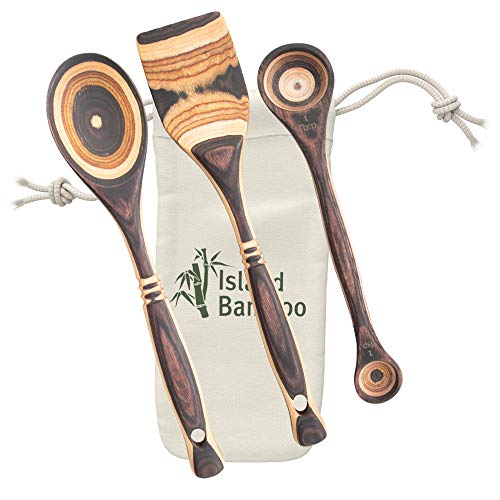
Bamboo kitchenware is also known for its strength and durability. Bamboo fibers are exceptionally strong, making them ideal for utensils, cutting boards, and even cookware. Additionally, bamboo is naturally resistant to water and stains, making it easy to clean and maintain. Its durability ensures that bamboo kitchenware can withstand daily use for years, eliminating the need for frequent replacements.
Beyond Aesthetics: Bamboo's Functional Appeal in Kitchens
Bamboo has been increasingly gaining popularity in kitchen design, and for good reason. Aside from its natural and elegant appearance, bamboo also offers numerous functional benefits that make it a desirable material in modern kitchens. From its durability to its sustainability, here are a few reasons why bamboo is making waves in kitchen design.
One of the most appealing aspects of bamboo is its exceptional strength and durability. Despite its lightweight nature, bamboo is actually harder and more durable than most hardwoods commonly used in kitchens, making it an ideal choice for countertops, cutting boards, and even flooring. Its natural resistance to moisture and its ability to withstand high temperatures also contribute to its durability, ensuring that bamboo surfaces can endure the demands of a busy kitchen.
In addition to its practicality, bamboo is also a sustainable choice for kitchen design. Unlike traditional wood species that take decades to grow and replenish, bamboo grows incredibly fast, with some species reaching maturity within just a few years. This rapid growth rate, combined with bamboo's ability to regenerate from its root system without the need for replanting, makes it an eco-friendly alternative to traditional hardwoods. By opting for bamboo in kitchen design, homeowners can contribute to the preservation of forests and reduce their carbon footprint.
Furthermore, bamboo possesses natural antibacterial properties that make it an excellent choice for kitchen surfaces. Studies have shown that bamboo contains a natural antimicrobial bio-agent called “bamboo kun,” which inhibits the growth of bacteria, mold, and fungus. This makes bamboo an ideal material for cutting boards and countertops, promoting a hygienic environment in the heart of the home where food preparation takes place.
4.38 out of 5 stars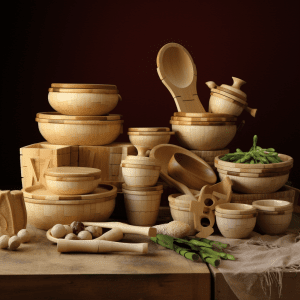
Bamboo Cookware
Sustainable and Stylish Cookware to Elevate Your Kitchen Experience
Product information
Product Review Score
Product links