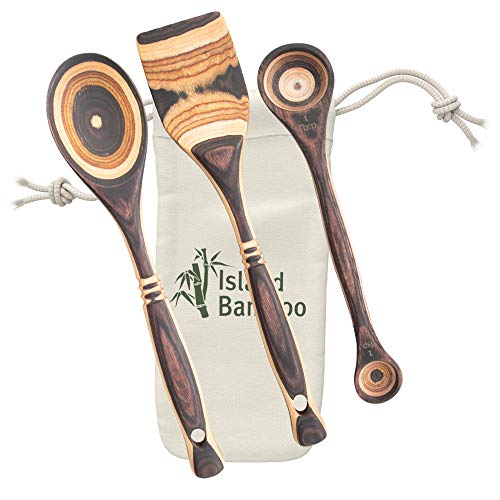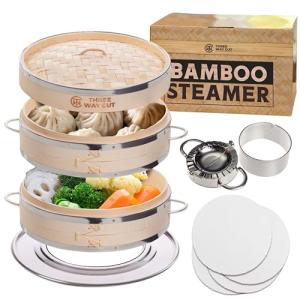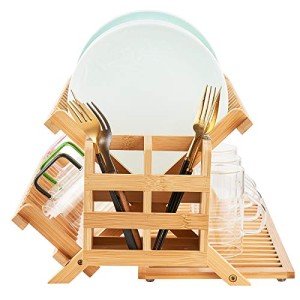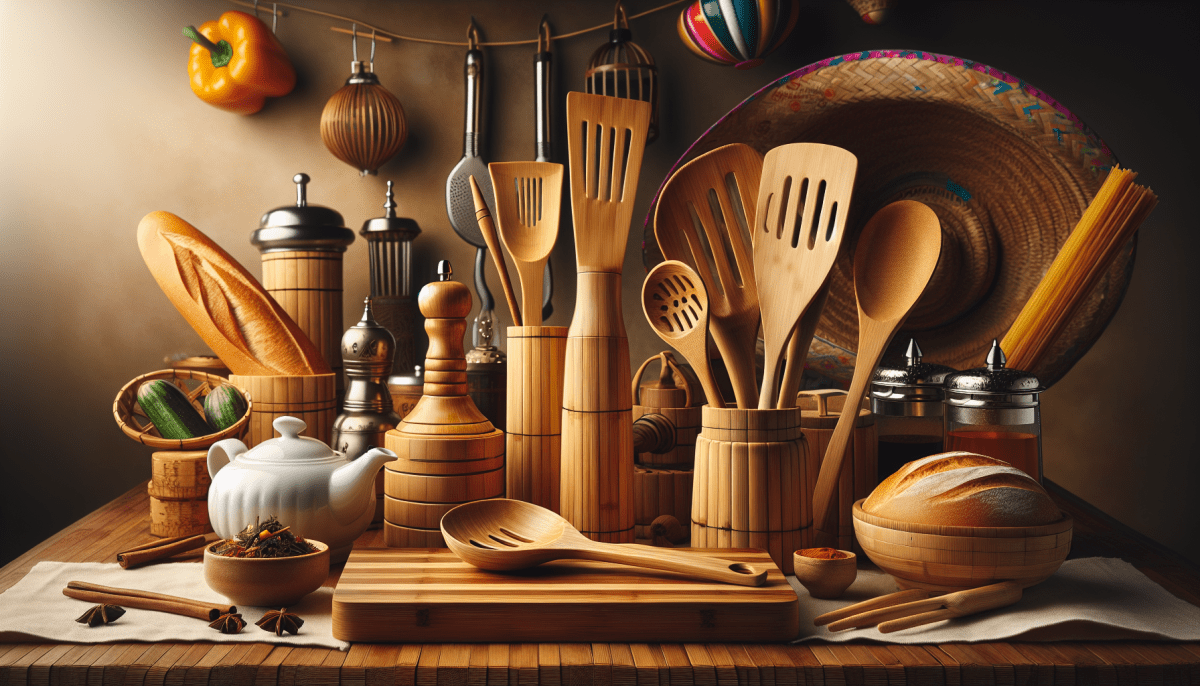
Bamboo, a versatile and sustainable material, has seen a significant rise in popularity in recent years. As people become more conscious about their environmental impact, bamboo kitchen utensils have emerged as an essential tool in global gastronomy. From spatulas to cutting boards, bamboo has become the go-to choice for many home chefs and professional cooks alike.
One of the primary reasons behind the surge in bamboo utensils' popularity is their eco-friendly nature. Unlike traditional utensils made from plastic or metal, bamboo is a fast-growing and renewable resource. It's incredibly resilient and requires minimal water or pesticides to grow, making it an environmentally responsible choice. Additionally, bamboo absorbs more carbon dioxide from the air compared to other trees, which means using bamboo utensils contributes to reducing greenhouse gases.
Bamboo utensils also offer several other practical advantages. They have natural antimicrobial properties, making them more hygienic and resistant to bacterial growth. The smooth surface of bamboo prevents scratching on delicate cookware, which is a common concern with metal or plastic utensils. Furthermore, bamboo is lightweight and comfortable to handle, ensuring a pleasant cooking experience in the kitchen.
Versatile Bamboo: The Key Ingredient for Innovative Cooking Tools
The world of gastronomy has embraced bamboo with open arms as an essential ingredient in innovative cooking tools. Bamboo, with its versatility and sustainability, has become a go-to material for chefs and home cooks alike.
One of the key benefits of bamboo kitchen utensils is their durability. Bamboo is known for its strength and resilience, making it ideal for heavy-duty use in the kitchen. Whether it's a bamboo cutting board or a bamboo spatula, these utensils are built to last. They can withstand high temperatures, sharp knives, and vigorous stirring, ensuring that they remain intact and functional for a long time.
Bamboo's natural properties also make it an excellent choice for food preparation. Unlike metal or plastic, bamboo doesn't conduct heat, reducing the risk of burns while cooking. Additionally, bamboo has a smooth and non-porous surface, which makes it less likely to harbor bacteria or absorb odors. This is a significant advantage, as it not only promotes hygiene but also preserves the flavors of the food being prepared.
Furthermore, bamboo is an environmentally friendly alternative to traditional materials used in kitchen utensils. Being a highly renewable resource, bamboo grows rapidly and doesn't require much water or pesticides. It is biodegradable and compostable, making it an eco-conscious choice. By opting for bamboo kitchen utensils, cooks contribute to the reduction of plastic waste and the overall preservation of the planet.
From Farm to Table: The Sustainable Journey of Bamboo Utensils
The use of bamboo kitchen utensils has gained immense popularity in recent years, not only for their aesthetic appeal but also for their sustainability. Bamboo, a fast-growing grass, serves as an excellent alternative to traditional wooden utensils because of its low environmental impact. From the farm to the table, bamboo utensils follow a sustainable journey that greatly contributes to our planet's health.
The journey begins on bamboo farms, where the plants are cultivated through organic and sustainable practices. Bamboo requires no pesticides or fertilizers, making it an environmentally friendly choice. The plants grow rapidly, reaching their full height in just a few years, allowing farmers to harvest them without significantly impacting the ecosystem. Once harvested, the bamboo is then crafted into utensils using traditional methods that have been passed down through generations of artisans.
Bamboo utensils offer numerous benefits in the kitchen. They are incredibly durable, resistant to heat and moisture, and do not easily absorb odors or flavors. Their lightweight yet sturdy nature makes them ideal for a variety of cooking and serving tasks. The smooth surface of bamboo utensils also prevents scratching on delicate cookware.
Furthermore, the sustainable qualities of bamboo extend to its end of life. Unlike plastic utensils that take hundreds of years to decompose in landfills, bamboo utensils are biodegradable. They can be composted naturally or, in some cases, even turned into biofuel. This means that even after their useful life in the kitchen, bamboo utensils continue to contribute positively to the environment.
Global Gastronomy's Best-Kept Secret: Exploring the Wonders of Bamboo
Bamboo, long known for its versatility and sustainability, has recently emerged as a secret weapon in global gastronomy. From chopsticks to cutting boards, bamboo kitchen utensils have become essential for chefs and home cooks alike. The unique properties of this wonder plant make it an ideal choice for kitchen tools, lending a touch of eco-friendliness and functionality to culinary experiences around the world.
One of the standout features of bamboo utensils is their natural antibacterial properties. The bamboo's natural antimicrobial agent, known as "bamboo kun," prevents the growth of bacteria, making it a safe and hygienic choice for food preparation. Additionally, bamboo is highly resistant to stains and odors, ensuring that your kitchen utensils remain fresh and clean after repeated use. This durability also extends to the utensils themselves, as bamboo easily withstands the wear and tear of regular kitchen activities.
Beyond their practical qualities, bamboo kitchen utensils also offer a touch of elegance to any culinary setting. With their smooth and polished finishes, bamboo utensils have a unique aesthetic appeal that complements various kitchen styles. From rustic farmhouse kitchens to contemporary minimalist spaces, bamboo utensils are versatile and can seamlessly blend into any dining environment. Moreover, their natural, earthy tones add warmth and character to the overall culinary experience.
As environmental concerns continue to gain prominence, bamboo utensils have become a sustainable alternative to traditional materials like plastic and metal. Bamboo is a fast-growing renewable resource that requires no pesticides or fertilizers to flourish. Its rapid growth, alongside its deep and extensive root system, helps bamboo absorb large amounts of carbon dioxide, making it a natural carbon sink. By choosing bamboo kitchen utensils, chefs and home cooks contribute to the preservation of the environment while enjoying the wonders of global gastronomy.
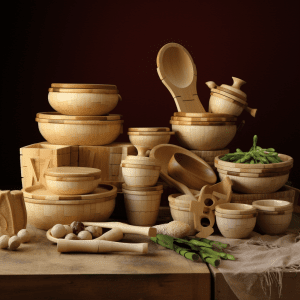
Bamboo Cookware
Sustainable and Stylish Cookware to Elevate Your Kitchen Experience
Product information
Product Review Score
4.38 out of 5 stars
126 reviews