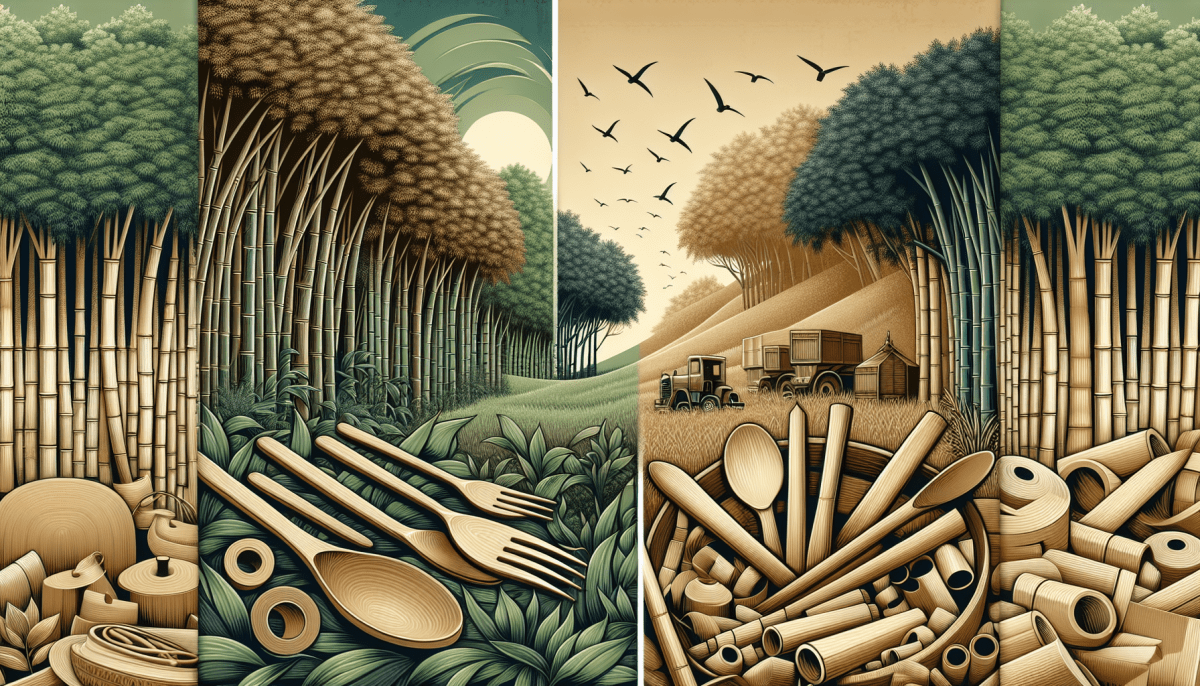
When one thinks of bamboo, images of tall, swaying stalks in an exotic landscape may come to mind. But bamboo is so much more than just a magnificent plant – it is a versatile wonder with a wide array of incredible uses. From construction materials to culinary delights, bamboo has been an integral part of human civilization for centuries.
One of the most remarkable aspects of bamboo is its exceptional strength and durability. Its fibers are incredibly tough, making it an excellent choice for construction purposes. In many parts of the world, bamboo is used as a building material for everything from simple huts to elaborate scaffolding. Its rapid growth and abundant availability make it an environmentally friendly alternative to traditional construction materials like wood or concrete.
Bamboo is not only valuable in the construction industry but also in the culinary world. Its young shoots are a delicacy in many Asian cuisines, prized for their tender texture and distinctive flavor. Boasting a plethora of health benefits, bamboo shoots are not only a delicious addition to stir-fries and soups but also a great source of dietary fiber, essential minerals, and antioxidants.
In addition to construction and cuisine, bamboo also finds its way into various everyday products. The plant's fibers are used to create textiles, such as soft and breathable bamboo fabric. This sustainable fabric has gained popularity due to its antimicrobial properties and its ability to wick away moisture, making it a comfortable choice for clothing, bedding, and towels.
Sustainable Farming: Cultivating Bamboo for the Future
Bamboo, often associated with pandas and Asian culture, is more than just an exotic plant. It is rapidly gaining popularity as a sustainable and versatile crop, with various applications in agriculture, construction, and even cuisine. Being one of the fastest-growing plants on the planet, bamboo has caught the attention of environmentalists and farmers alike, making it an essential component of sustainable farming practices worldwide.
When it comes to cultivating bamboo, farmers are benefitting from its low maintenance requirements and high yields. As a highly adaptable plant, bamboo can thrive in a wide range of climates and soil conditions, requiring minimal irrigation and no synthetic fertilizers or pesticides. This not only helps reduce the reliance on harmful chemicals but also minimizes the environmental impact associated with traditional farming practices.
Besides its potential as an eco-friendly crop, bamboo has a multitude of uses that makes it an attractive choice for farmers. From construction materials like flooring, furniture, and even whole buildings, to textiles, paper, and various consumer products, the versatility of bamboo knows no bounds. As consumer demand for sustainable products continues to grow, farmers cultivating bamboo are reaping the benefits by tapping into these diverse markets.
Harvesting, Processing, and Transforming: The Bamboo Journey
When it comes to sustainable and versatile materials, bamboo stands out for its unique properties and wide range of uses. Found in abundance across various continents, this fast-growing plant has increasingly become a popular choice for many industries. From furniture and construction to textiles and even food, bamboo's journey from the farm to our tables is an interesting and intricate process.
Harvesting: The first step in the bamboo journey is the harvesting process. It typically takes place when the plant reaches its peak maturity, which is around three to five years. Bamboo farmers carefully select the shoots to be cut, ensuring that it does not hinder the growth of the remaining plant. Using sharp tools, such as machetes, the stems are cut just above the ground to allow for regrowth. This sustainable practice ensures a continuous supply of bamboo while minimizing environmental impact.
Processing: After harvesting, the next phase is processing the bamboo. The shoots are stripped of their leaves and branches, leaving behind the hollow cylindrical stems. These stems are then split lengthwise into thinner strips depending on the desired application. The bamboo strips can undergo further processing, such as boiling or treatment with preservatives, to enhance their durability, strength, and resistance to pests and decay. The processed bamboo can now be used in a variety of ways.
Transforming: The versatility of bamboo is evident in its numerous transformations. In construction and furniture making, the strips can be shaped, laminated, and joined to create various architectural elements, flooring, or sturdy furniture pieces. The processed bamboo can also be transformed into bamboo fiber, which serves as a sustainable alternative to cotton in textile production. This eco-friendly material is softer than traditional cotton, moisture-wicking, and hypoallergenic, making it highly sought after in the fashion industry. Furthermore, bamboo shoots can be harvested for use in culinary practices, offering a nutritious and delicious addition to various dishes.
Deliciously Eco-Friendly: Bamboo as a Culinary Delight
Bamboo, a versatile and sustainable plant, has gained popularity as a culinary delight in recent years. Not only does bamboo offer a unique taste and texture, but it also presents significant eco-friendly benefits. As a fast-growing and renewable resource, bamboo provides an excellent alternative to traditional hardwoods or less sustainable food options. Let's delve deeper into the wonders of bamboo and discover its journey from farm to table.
One of the remarkable aspects of bamboo is its rapid growth, making it highly sustainable. Unlike hardwood trees that can take decades to mature, bamboo shoots can reach full maturity in just a few years. This quick growth cycle allows farmers to harvest bamboo regularly without causing long-term environmental harm. Additionally, since bamboo is a grass and not a tree, its root system remains intact after harvesting, enabling rapid regrowth. This regenerative quality of bamboo makes it an excellent choice for ensuring a resilient and sustainable food supply.
Furthermore, bamboo offers a range of culinary possibilities. Its mild, slightly nutty flavor complements various dishes both in savory and sweet preparations. Bamboo shoots, with their tender texture and subtle taste, are commonly used in stir-fries, soups, and salads. They can be pickled, marinated, or simply sautéed to enhance their flavor. Additionally, bamboo leaves can be used as wrappers for steaming food or as an ingredient in tea infusions. The versatility of bamboo in the kitchen makes it a delightful addition to any culinary repertoire.
When it comes to the farm-to-table journey, bamboo cultivation generally follows organic and sustainable practices. Farmers prioritize soil health and avoid using harmful pesticides or chemical fertilizers that could pollute the surrounding ecosystem. Bamboo cultivation also requires minimal water compared to other crops, making it a water-efficient choice. Once harvested, bamboo can be processed into various culinary products such as bamboo shoots, bamboo vinegar, or bamboo tea. These products are then distributed to markets, restaurants, and individual consumers, creating a sustainable and delectable farm-to-table experience.
4.38 out of 5 stars
Bamboo Cookware
Sustainable and Stylish Cookware to Elevate Your Kitchen Experience
Product information
Product Review Score
Product links