When it comes to selecting materials for spacious kitchens, bamboo is the top choice for eco-conscious homeowners. Known for its sustainability, bamboo is an incredibly renewable resource that offers numerous environmental benefits. One of the main advantages of bamboo is its speedy growth rate – it is one of the fastest-growing plants on our planet. This means that bamboo can be harvested and regrown within a short time, making it an incredibly sustainable material for kitchen construction and design.
Additionally, bamboo requires minimal resources to grow and thrive. Unlike hardwood trees that take decades to mature, bamboo can reach maturity within just a few years. This rapid growth rate significantly reduces the energy required for cultivation, minimizing the impact on the environment. This feature of bamboo makes it an ideal choice for homeowners aiming to reduce their carbon footprint without compromising on quality or style.
Another remarkable aspect of bamboo is its ability to absorb carbon dioxide and release oxygen into the atmosphere. On average, bamboo plants absorb up to five times more carbon dioxide and produce about 35% more oxygen compared to other trees. This not only helps combat climate change but also promotes cleaner air quality. By opting for bamboo in spacious kitchen designs, homeowners can actively contribute to reducing greenhouse gas emissions and purifying the air in their households.
Spacious Kitchens, Sustainable Minds: Bamboo's Perfect Match
Bamboo has emerged as a popular and eco-friendly choice for spacious kitchens, offering a combination of style, sustainability, and functionality. This fast-growing grass provides a versatile material that is durable, aesthetically pleasing, and environmentally sustainable.
Bamboo's Environmental Benefits
One of the key reasons why bamboo is considered eco-friendly is its rapid growth cycle. Unlike traditional hardwood trees, which can take several decades to mature, bamboo can reach maturity in just a few years. This short growth cycle allows for a more sustainable and renewable source of material.
Furthermore, bamboo is known for its ability to absorb carbon dioxide and release oxygen into the atmosphere. This makes it an excellent tool for combating climate change and reducing greenhouse gas emissions. Additionally, bamboo does not require harmful pesticides or fertilizers to grow, making it a healthier choice for both the environment and those living in homes with bamboo features.
Functionality and Style
In addition to its environmental benefits, bamboo offers functional advantages in kitchen spaces. Its natural strength and durability make it an ideal choice for kitchen countertops and cabinets, withstanding the wear and tear of daily cooking activities. Bamboo also has natural antimicrobial properties, making it a hygienic choice for food preparation areas.
Bamboo's unique grain patterns and coloring add a touch of natural warmth and elegance to the kitchen. From light honey shades to deeper earth tones, bamboo can complement a variety of kitchen designs and styles. Whether your kitchen has a modern, minimalist vibe or a rustic farmhouse feel, bamboo can seamlessly integrate into any space.
By choosing bamboo for spacious kitchens, homeowners can create a beautiful and sustainable environment that aligns with their eco-conscious values. From countertops and cabinets to flooring and utensils, bamboo's versatility allows it to be used in various kitchen elements while reducing the environmental impact.
Unleashing the Potential: Bamboo's Versatility in Kitchen Design
When it comes to kitchen design, bamboo has emerged as a top choice for those who seek both style and sustainability. With its remarkable versatility, bamboo can transform any spacious kitchen into a haven of natural beauty and eco-friendliness.
One of the primary advantages of bamboo in kitchen design is its aesthetic appeal. Bamboo's unique grain patterns and warm, earthy colors add a touch of elegance and natural charm to any kitchen space. Whether it's used for cabinets, countertops, or flooring, bamboo brings a timeless beauty that complements both contemporary and traditional kitchen styles.
Furthermore, bamboo is highly durable and resistant to moisture, making it an excellent material for kitchen applications. Its strength rivals that of many hardwoods, ensuring that bamboo furniture and surfaces can withstand the demands of a busy kitchen environment. Additionally, bamboo's natural resistance to water damage and warping makes it particularly suitable for areas prone to spills and high humidity.
Finally, bamboo's eco-friendly nature is a major factor driving its popularity in kitchen design. Unlike hardwood trees, bamboo is a fast-growing grass that can be harvested sustainably without causing harm to the environment. The rapid growth rate of bamboo means it can reach maturity in just a few years, compared to several decades for most hardwood trees. By choosing bamboo for kitchen design, homeowners can contribute to the preservation of forests and reduce their carbon footprint.
From Farm to Table: Bamboo's Journey as an Eco-friendly Choice
Bamboo, with its rapidly renewable nature, durability, and versatility, has emerged as an eco-friendly choice for spacious kitchens. With an increasing demand for sustainable materials, bamboo provides a practical solution that benefits both the environment and homeowners. Let's explore the journey of bamboo as it makes its way from farms to our kitchen tables.
1. Sustainable Farming Practices
One of the reasons why bamboo is considered an eco-friendly choice is its sustainable farming practices. Bamboo is a grass, not a tree, and it grows incredibly fast. It can reach maturity in just 3-5 years, compared to hardwood trees that can take decades to mature. Additionally, bamboo requires minimal water, no pesticides, and no fertilizers to grow, making it an environmentally responsible alternative to traditional wood sources.
2. Low Environmental Impact
The production of bamboo has a significantly lower environmental impact compared to other kitchen materials. Bamboo releases 35% more oxygen into the atmosphere and absorbs more carbon dioxide than trees, making it an excellent carbon sink. Moreover, bamboo can be harvested without causing soil erosion or depleting natural resources since it grows from a root system that regenerates new shoots after each harvest. This sustainable harvesting process ensures that bamboo plantations can thrive for years to come.
3. Versatile and Durable Material
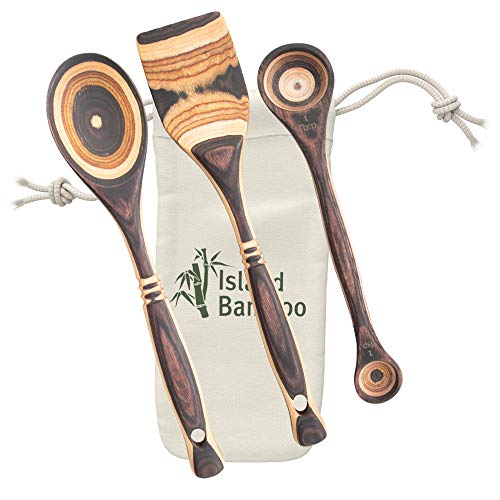
Bamboo's journey doesn't end in the farm; it continues in factories where the harvested bamboo is transformed into versatile and durable materials suitable for kitchen applications. Bamboo can be processed into different forms like bamboo flooring, cabinetry, countertops, and even kitchen utensils. It possesses natural strength and resilience, making it an ideal choice for high-traffic areas like kitchens. It is resistant to moisture, stains, and odors, ensuring that your bamboo kitchen products will withstand the test of time.
4.38 out of 5 stars
Bamboo Cookware
Sustainable and Stylish Cookware to Elevate Your Kitchen Experience
Product information
Product Review Score
Product links