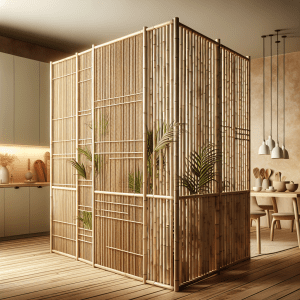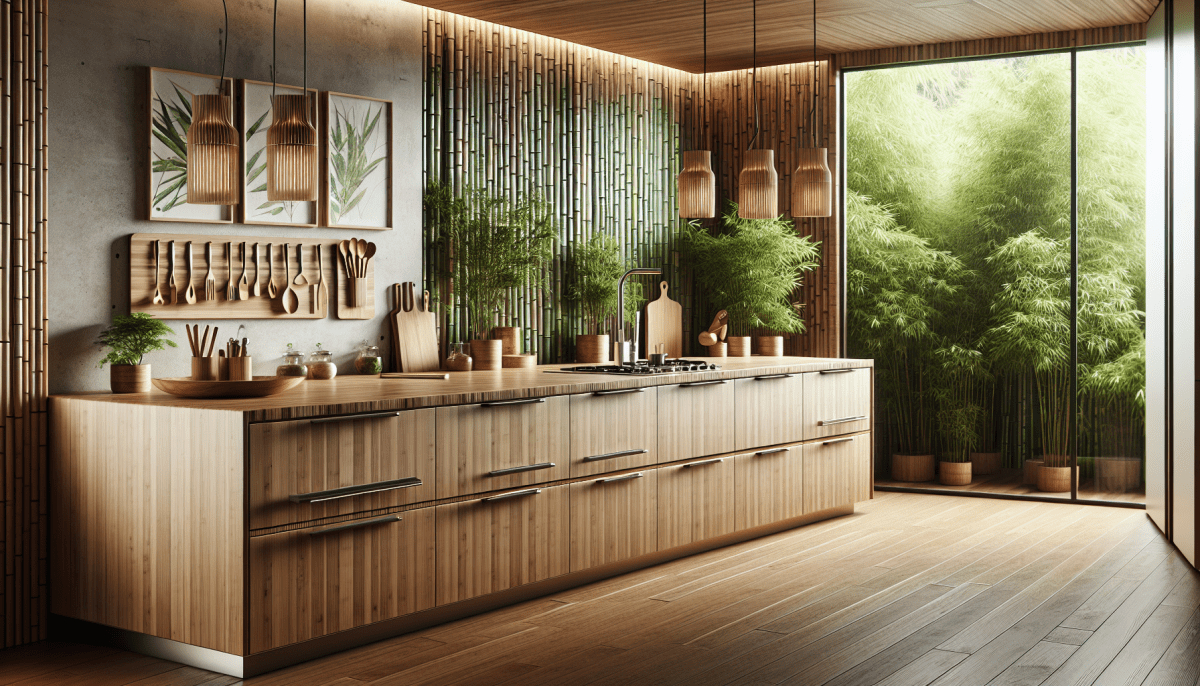
Bamboo, an incredibly versatile and sustainable material, is revolutionizing kitchen renovation and design. Traditionally, kitchens have been dominated by woods like oak, maple, and cherry; however, bamboo has quickly emerged as a popular alternative due to its unique advantages.
First and foremost, bamboo is an environmentally friendly choice. Unlike hardwood trees that take decades to grow, bamboo plants reach maturity in just a few years. This rapid growth makes bamboo a highly renewable resource, making it an ideal choice for sustainable home design. When the bamboo stalks are harvested, the plant's extensive root system remains intact, allowing it to quickly regrow and replenish itself.
Additionally, bamboo boasts impressive durability, rivaling or even surpassing traditional hardwood options. Its natural strength and hardness make it highly resistant to scratches, dents, and general wear and tear, ensuring your kitchen surfaces and cabinets will last for years to come. This also makes bamboo a practical choice for busy households or those with young children.
Beyond its environmental benefits and durability, bamboo also offers a distinct aesthetic appeal to any kitchen. With its light, natural color and appealing grain patterns, bamboo creates a warm and inviting atmosphere, seamlessly blending with a variety of design styles. Whether your kitchen has a modern or traditional theme, bamboo can effortlessly enhance its overall look and feel.
Bamboo Bliss: Unleashing the Potential of a Versatile Material
Bamboo, often referred to as the "green gold," is rapidly gaining popularity as a versatile material that is revolutionizing kitchen renovation and design. This fast-growing grass boasts numerous benefits, making it an excellent choice for both aesthetic and practical purposes. From countertops to cabinets, bamboo offers homeowners a sustainable and stylish alternative that can transform their kitchens into modern havens.
One of the primary reasons bamboo is so highly regarded is its eco-friendliness. Unlike hardwood trees that take decades to grow, bamboo reaches maturity in just a few years. Its quick regrowth cycle makes it an incredibly sustainable choice, supporting environmental conservation efforts. Additionally, bamboo releases more oxygen and absorbs more carbon dioxide than most other plants, making it an efficient tool in combating climate change.
Beyond its environmental benefits, bamboo is also an incredibly durable material, perfect for high-traffic areas such as the kitchen. It boasts a higher tensile strength than many hardwoods, making it resistant to damage from heavy usage and impact. Bamboo is also naturally water-resistant due to its dense fibers, reducing the risk of swelling or warping when exposed to moisture. Its inherent strength and durability make it an ideal choice for kitchen surfaces, cabinetry, and flooring.
Eco-Friendly Elegance: Bamboo's Impact on Kitchen Aesthetics
Bamboo, the fast-growing sustainable resource, has now revolutionized kitchen renovation and design. Not only is bamboo considered an eco-friendly material, but it also adds a touch of elegance and sophistication to any kitchen space. The unique and natural grain patterns of bamboo give it a distinct aesthetic appeal, making it a popular choice among homeowners and interior designers alike.
One of the significant advantages of using bamboo in kitchen design is its durability. Bamboo is known to be incredibly strong and resilient, making it a practical choice for kitchen countertops, cabinetry, and flooring. Its natural resistance to moisture and heat also makes it an ideal material in the kitchen, where these elements are often present. Additionally, bamboo has a lighter and more relaxed overall appearance compared to traditional wood, creating a sense of calm and tranquility in the kitchen space.
Beyond its aesthetic value and durability, bamboo's impact on the environment cannot be overlooked. Bamboo is a highly renewable resource and replenishes much faster than traditional hardwood. Its rapid growth cycle allows for sustainable harvesting without causing long-term environmental damage. By choosing bamboo for kitchen renovations, homeowners can contribute to the conservation of forests and reduce the carbon footprint associated with traditional wood materials.
Beyond Countertops: Innovations in Bamboo for Kitchen Design
Bamboo has long been known for its versatility, and its applications in kitchen design are revolutionizing the way we renovate and style our kitchens. While bamboo countertops have gained popularity in recent years for their natural beauty and eco-friendly qualities, there is so much more to explore when it comes to incorporating bamboo into kitchen design.
One innovative use of bamboo in kitchen design is in cabinetry. Bamboo cabinets offer a unique aesthetic appeal with their sleek, modern look. They are durable and resistant to moisture, making them an ideal choice for kitchens where humidity is a concern. With a variety of finishes and grains available, bamboo cabinets can easily complement any kitchen style, be it traditional or contemporary.
Another exciting bamboo innovation is bamboo flooring. As an alternative to traditional hardwood flooring, bamboo flooring offers several advantages. It is an eco-friendly option, as bamboo is a fast-growing and renewable resource. It is also highly durable, resistant to scratches, and can withstand high levels of foot traffic. Additionally, bamboo flooring's natural color and grain patterns add warmth and elegance to any kitchen space.
4.38 out of 5 stars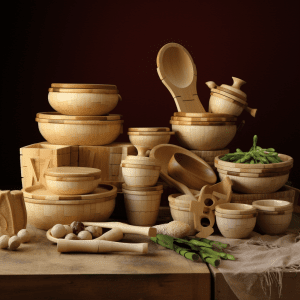
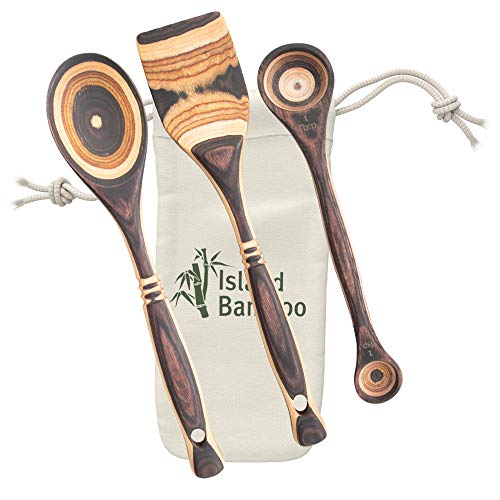
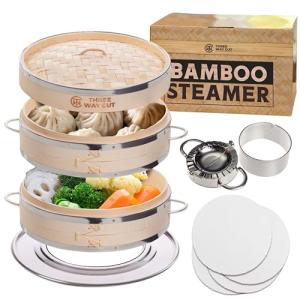
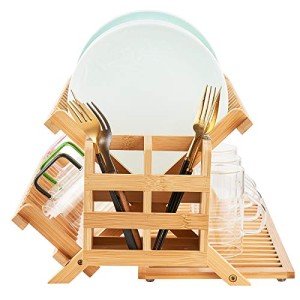
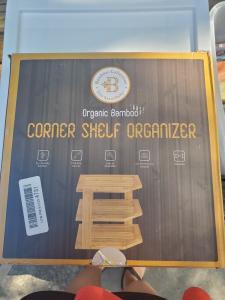
Bamboo Cookware
Sustainable and Stylish Cookware to Elevate Your Kitchen Experience
Product information
Product Review Score
Product links