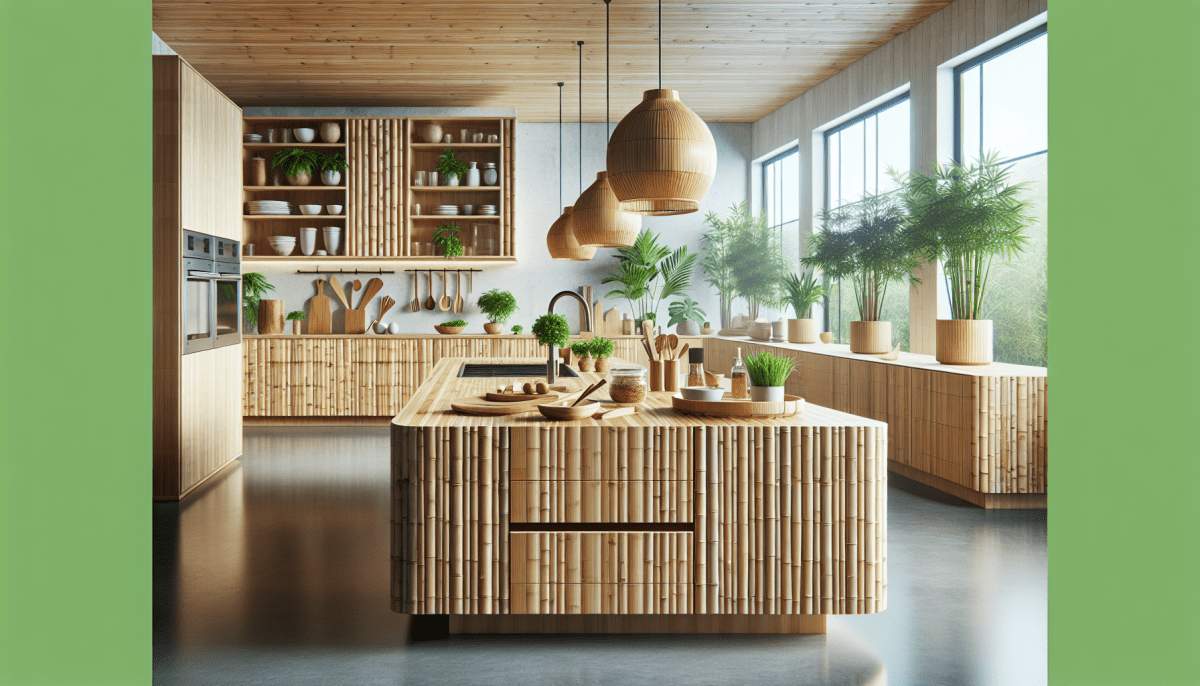
As the world becomes increasingly focused on sustainable living, more and more people are searching for eco-friendly alternatives to traditional materials. In the realm of kitchen design, bamboo has risen to the forefront as a popular choice. Not only is bamboo an incredibly versatile and aesthetically pleasing material, but it also boasts numerous environmental benefits.
One of the main reasons why bamboo is favored for sustainable kitchens is its rapid growth and renewability. Unlike most trees that take decades or even centuries to mature, bamboo can reach full height within a matter of months. This quick growth allows for a sustainable and steady supply of bamboo, making it an ideal choice for reducing deforestation and protecting natural habitats. Furthermore, bamboo can be harvested without causing damage to the plant itself, as it regenerates from its existing root system.
Bamboo also offers durability and strength, making it an excellent option for kitchen countertops and cabinetry. Its natural properties make it resistant to moisture, insects, and warping, ensuring your kitchen will remain beautiful and functional for years to come. Additionally, bamboo is known for its antibacterial properties, making it a hygienic choice for food preparation areas.
Unleashing the Power: Why Bamboo is the Ultimate Eco-Friendly Choice
Bamboo has long been celebrated for its incredible versatility and sustainability, making it the perfect material to bring the principles of eco-friendly living into our kitchens. This fast-growing grass has gained a reputation for its incredible strength and durability, which makes it an excellent alternative to traditional hardwood materials.
One of the greatest advantages of using bamboo in kitchen construction and design is its sustainability. Unlike other wood species, bamboo can be harvested without causing any harm to the plant or its surrounding ecosystem. Furthermore, bamboo has a remarkable growth rate, with certain species growing up to 39 inches in just 24 hours. This means that bamboo farms can quickly replenish their resources, without contributing to deforestation or environmental degradation.
In addition to its sustainability, bamboo possesses inherent antimicrobial properties, making it a highly hygienic choice for kitchen surfaces. The natural oils contained in bamboo are resistant to the growth of bacteria and mold, reducing the risks of contamination in the kitchen environment. This quality, combined with bamboo's durability, makes it an ideal material for cutting boards, countertops, and utensils.
The unique aesthetic appeal of bamboo also adds a touch of natural warmth and serenity to any kitchen. Its light color and distinctive grain patterns bring a sense of harmony and tranquility, creating a welcoming space that is truly one with nature. Whether used for flooring, cabinetry, or even as a decorative element, bamboo can effortlessly infuse any kitchen with a sustainable and eco-friendly ambiance.
Bamboo Bonanza: Exploring the Versatility of Bamboo in Kitchens
The use of bamboo in kitchens is a trend that has been growing in popularity in recent years. Bamboo, a sustainable and renewable resource, offers both aesthetic and practical benefits that make it an excellent choice for kitchen design. From countertops to flooring and even utensils, this versatile material can transform any kitchen into an eco-friendly and stylish space.
One of the most notable features of bamboo is its durability. Bamboo countertops and flooring are known for their strength and resistance to wear and tear. This makes them perfect for high-traffic areas like kitchens, where spills and accidents are common. Additionally, bamboo is naturally antimicrobial, making it a hygienic option for food preparation areas. Its smooth surface also makes it easy to clean, eliminating the need for harsh chemicals.
Aside from its practicality, bamboo offers a unique and elegant look that instantly elevates the aesthetic of any kitchen. The natural grain patterns and warm tones of bamboo add a touch of sophistication and tranquility to the space. Whether you choose bamboo cabinets, cutting boards, or utensils, incorporating this earthy material into your kitchen design can create a harmonious and inviting atmosphere.
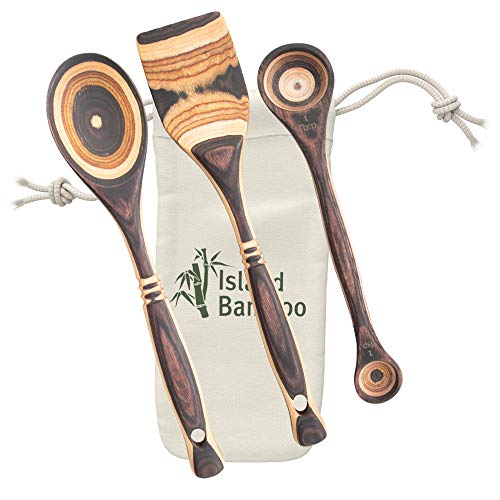
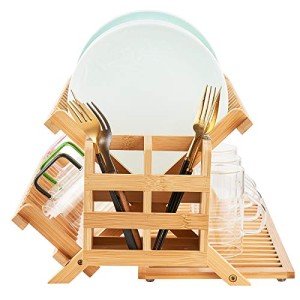
Bamboo is not limited to traditional kitchen elements. It is also a fantastic material for eco-conscious accessories. Bamboo utensil holders, dish racks, and spice organizers not only declutter your kitchen but also reduce your ecological footprint. By opting for sustainable alternatives like bamboo, we can contribute to the conservation of forests and the reduction of carbon emissions.
From Farm to Table: Bamboo Kitchens and Their Environmental Impact
Bamboo kitchens have become increasingly popular in recent years, as more people are becoming aware of the need to adopt sustainable practices in their daily lives. Bamboo is a highly renewable resource that grows rapidly and requires minimal amounts of water, making it an ideal material for eco-friendly kitchen designs. From its cultivation to its use in culinary activities, bamboo kitchens have a positive environmental impact and contribute to a greener lifestyle.
One of the key advantages of bamboo is its rapid growth and ability to regenerate without replanting. Bamboo plants can reach maturity in as little as three to five years, whereas other hardwood trees may take decades to reach the same level of maturity. This quick growth cycle makes bamboo an excellent alternative to traditional hardwoods, which are often over-harvested and take much longer to replenish. By using bamboo for kitchen countertops, cabinets, and utensils, homeowners contribute to the preservation of forests and the reduction of deforestation.
In addition to its renewable qualities, bamboo also has a minimal environmental impact when it comes to water consumption. The plant requires significantly less water compared to other materials commonly used in kitchen construction, such as concrete or tile. This reduced water usage further enhances the sustainability of bamboo kitchens, as it reduces the strain on local water supplies and minimizes the overall ecological footprint.
Bamboo kitchens also offer the advantage of being naturally resistant to pests and mold. This means that homeowners can avoid using harmful chemical treatments or pesticides, which are often required for other types of kitchen materials. By opting for bamboo, individuals can enjoy a healthier living environment, free from harmful toxins that can potentially contaminate the air and pose health risks. Moreover, bamboo is a hypoallergenic material, making it a great choice for those with allergies or sensitivities.