In recent years, bamboo cookware has gained significant popularity among eco-conscious individuals and those striving for a more sustainable lifestyle. Bamboo, being one of the world's fastest-growing plants, offers a multitude of benefits that make it an excellent alternative to traditional cookware materials like metal and plastic. Not only is it a renewable resource with a minimal environmental impact, but it also possesses unique properties that make it perfect for use in kitchens.
One of the key advantages of bamboo cookware is its durability. This natural material is surprisingly strong and resistant to scratches and stains, making it highly long-lasting. This means that bamboo cookware can withstand the test of time, reducing the need for frequent replacement and, in turn, reducing waste. Its resistance to heat and water also makes it suitable for various cooking tasks, including boiling, simmering, and frying, without any risk of damage or degrading.
Furthermore, bamboo cookware is a healthier option for both the environment and human health. Unlike certain traditional cookware materials, bamboo does not leach harmful chemicals into food, ensuring a safe cooking experience. It is also naturally antimicrobial, preventing the growth of bacteria and mold on its surface. Additionally, bamboo forests absorb a significant amount of carbon dioxide from the atmosphere, helping to mitigate the effects of climate change and improve air quality.
Exploring the Benefits: Why Bamboo Cookware is Making Waves
Bamboo cookware has emerged as a game-changer in the world of kitchenware, revolutionizing traditional cookware practices and promoting sustainability. This eco-friendly alternative to conventional cookware materials like stainless steel and non-stick pans offers numerous benefits for both our kitchens and the planet.
One of the primary advantages of bamboo cookware is its sustainability. Bamboo is an incredibly abundant and fast-growing resource, making it highly renewable. Unlike other materials for cookware production, bamboo does not require extensive land use or harmful chemicals for its growth. By utilizing bamboo cookware, we can reduce our impact on deforestation, promote responsible land use, and contribute to a healthier planet.
In addition to being sustainable, bamboo cookware also boasts superior heat resistance and durability. Bamboo fibers have natural heat-resistant properties, which means they can withstand high temperatures without warping or staining. This makes bamboo cookware an excellent choice for everyday cooking needs and ensures its longevity. Furthermore, bamboo is naturally antibacterial, preventing the growth of molds and bacteria on the surface of the cookware, making it a safe and hygienic option for meal preparation.
The Versatility of Bamboo: From Cutting Boards to Utensils
Bamboo, a remarkable and sustainable material, has become increasingly popular in the culinary world due to its versatility and eco-friendly properties. Not only is bamboo a renewable resource, but its durability, natural beauty, and antimicrobial properties make it an ideal choice for cookware and kitchen utensils.
Cutting boards made from bamboo have gained immense popularity among home cooks and professional chefs alike. Bamboo cutting boards provide a durable and reliable surface for chopping, slicing, and dicing. Additionally, they are resistant to knife scratches, preventing bacteria and food particles from harboring on the surface. The natural antimicrobial properties of bamboo also make it a hygienic choice for food preparation, reducing the risk of cross-contamination.
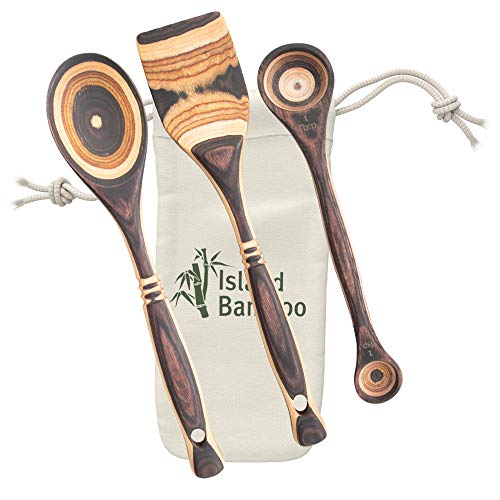
Furthermore, bamboo utensils are eco-friendly alternatives to traditional plastic or metal utensils. Bamboo flatware and cooking utensils are lightweight yet sturdy, making them perfect for stirring, flipping, and serving. Unlike plastic, bamboo is biodegradable, ensuring that no harmful waste is left behind. Additionally, bamboo utensils are naturally heat resistant and do not release any toxic chemicals when exposed to high temperatures, ensuring the safety of your food and the environment.
Revolutionizing Cookware: How Bamboo is Transforming Sustainable Living
Bamboo cookware is revolutionizing the way we think about sustainable living and transforming kitchens worldwide. This versatile and eco-friendly material is gaining popularity for its numerous benefits and positive impact on the planet. Unlike traditional cookware materials such as metal or plastic, bamboo offers a sustainable alternative that is both durable and functional.
One of the most significant advantages of bamboo cookware is its eco-friendly nature. Bamboo is a fast-growing plant that can be harvested sustainably without causing deforestation or harming the environment. Its rapid growth rate makes it an ideal renewable resource, minimizing the impact on natural habitats. By choosing bamboo cookware, individuals can help reduce carbon emissions and contribute to a greener lifestyle.
In addition to its environmental benefits, bamboo cookware also offers several practical advantages. Bamboo is naturally heat-resistant, meaning it can withstand high temperatures without deforming or releasing harmful chemicals. This makes it a safe option for cooking and baking. Furthermore, bamboo has natural antibacterial properties, making it hygienic and easy to clean. Its sturdy construction ensures longevity, making it a long-term investment for sustainable living.
4.38 out of 5 stars
Bamboo Cookware
Sustainable and Stylish Cookware to Elevate Your Kitchen Experience
Product information
Product Review Score
Product links