In recent years, the demand for eco-friendly kitchen materials has been rapidly rising. As society becomes more conscious of environmental issues, people are actively seeking sustainable alternatives to traditional kitchen materials. One such superstar that has gained considerable popularity is bamboo. With its numerous benefits and versatility, bamboo has revolutionized the concept of eco-friendly kitchens.
Bamboo is an incredibly sustainable material due to its rapid growth and replenishing properties. Unlike hardwood trees that take decades to mature, bamboo shoots can be harvested in just a few years, making it a highly renewable resource. Additionally, bamboo's extensive root system aids in preventing soil erosion, making it an ideal choice for environmental conservation. By opting for bamboo kitchen materials, homeowners can significantly reduce their carbon footprint.
Aside from its sustainability, bamboo offers exceptional durability and strength, making it a practical choice for kitchen countertops, cabinets, and flooring. Bamboo contains an abundance of natural silica, which provides excellent resistance to scratches, stains, and even fire. Moreover, bamboo's natural color variations and distinctive grain patterns give kitchens a unique and visually appealing touch. Its versatility extends to products such as bamboo cutting boards and utensils, which are lightweight, antimicrobial, and gentle on knife blades.
Unleashing the Potential: Bamboo's Strength and Versatility
Bamboo, a fast-growing plant known for its strength and sustainability, is paving the way for revolutionizing eco-friendly kitchens. This remarkable resource is not only durable but also incredibly versatile, making it an ideal material for countless kitchen applications.
One of the key benefits of bamboo is its strength. Pound for pound, it surpasses the tensile strength of steel, making it an excellent alternative for various kitchen essentials. Bamboo cutting boards, for instance, are highly resistant to knife marks and don't dull blades as quickly as other materials. These cutting boards are not only functional but are also aesthetically pleasing, adding a natural touch to any kitchen decor.
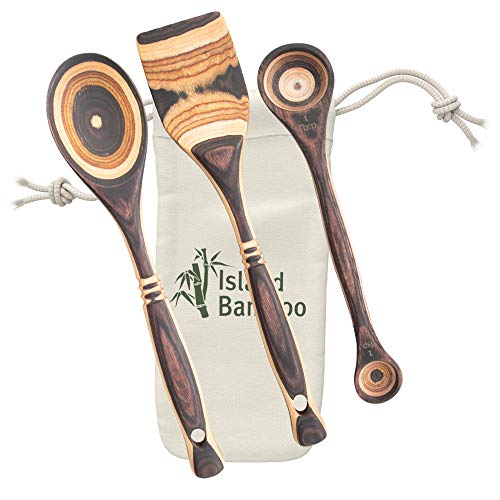
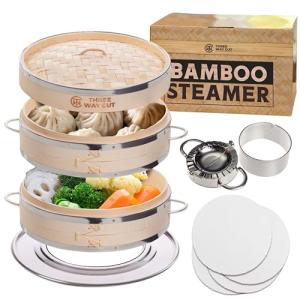
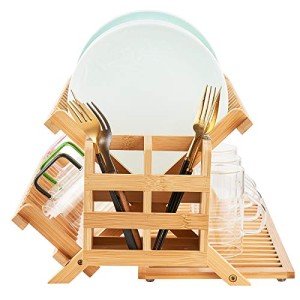
In addition to its strength, bamboo exhibits exceptional versatility. It can be transformed into numerous kitchen products, such as utensils, bowls, and even countertops. Utensils made from bamboo are an eco-friendly choice due to their sustainable nature. They are lightweight, easy to clean, and resistant to stains and odors. Bamboo bowls are not only beautiful but also heat-resistant, making them perfect for serving hot dishes. Furthermore, bamboo countertops are an alternative to traditional materials, as they are visually appealing, durable, and easy to maintain.
Bamboo's strength and versatility make it a game-changer in the quest for eco-friendly kitchens. Its impressive tensile strength and durability make it ideal for everyday use in various kitchen applications. Bamboo gives us the opportunity to create functional and aesthetically pleasing kitchen essentials that are in harmony with the environment. As the world continues to embrace sustainable choices, bamboo is leading the way towards a greener and more eco-conscious future.
Tapping into Nature: Bamboo's Positive Environmental Impact
When it comes to redefining eco-friendly kitchens, one material that stands out for its positive environmental impact is bamboo. Bamboo is a rapidly renewable resource that has been gaining popularity in recent years due to its sustainable properties and versatility. By tapping into nature and harnessing the power of bamboo, we can revolutionize the way kitchens are designed and built, making them not only aesthetically pleasing but also environmentally conscious.
One of the main reasons why bamboo is considered eco-friendly is its incredible growth rate. Bamboo is known to be one of the fastest growing plants on Earth, with some species capable of growing up to 91 cm (35 inches) per day. Its rapid growth means that it can be harvested and replenished much more quickly compared to traditional hardwoods, making it a highly sustainable choice for kitchen materials.
Furthermore, bamboo has minimal environmental impact during its cultivation and harvesting. Unlike many other crops, bamboo requires no pesticides or fertilizers to grow successfully. It is naturally resistant to pests, bacteria, and fungi, making it a healthier option for both the environment and our kitchens. Additionally, bamboo's root system helps to prevent soil erosion and can even improve soil quality, making it an excellent choice for sustainable farming practices.
From Cutting Boards to Cabinetry: Embracing Bamboo in Style
Bamboo is redefining the concept of eco-friendly kitchens, offering a sustainable and stylish solution for homeowners. With its rapid growth and natural strength, bamboo has become a go-to choice for various kitchen essentials, from cutting boards to cabinetry. Not only does it possess unique visual appeal, but it also offers incredible durability, making it an excellent investment for any environmentally-conscious individual.
One of the most popular uses of bamboo in the kitchen is for cutting boards. Bamboo cutting boards have gained popularity due to their hardness and resistance to knife marks. Unlike traditional wooden cutting boards, bamboo is highly resistant to moisture, making it less prone to warping and cracking. Furthermore, bamboo is naturally antimicrobial, making it a hygienic choice for food preparation. Additionally, bamboo cutting boards are lightweight and easy to handle, making them a convenient and stylish addition to any modern kitchen.
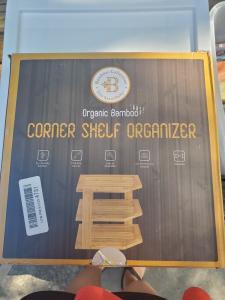
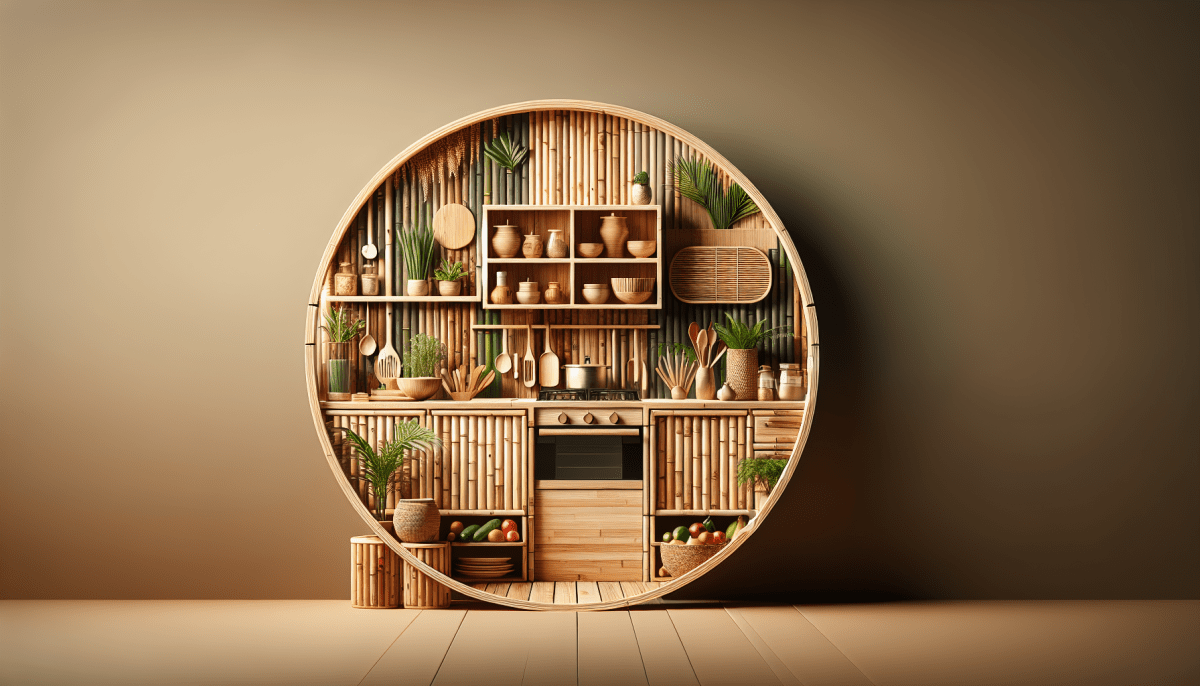
In addition to cutting boards, bamboo is raising the bar when it comes to kitchen cabinetry. Bamboo cabinetry offers a sleek and contemporary feel, contributing to a visually appealing and eco-friendly kitchen design. With its natural grain patterns and warm tone, bamboo can effortlessly elevate the overall aesthetic of any kitchen space. Moreover, bamboo cabinetry is known for its durability, as it is highly resistant to wear and tear. By opting for bamboo cabinetry, homeowners can not only embrace sustainability but also enjoy a long-lasting investment that withstands the test of time.
From its use in cutting boards to its incorporation in cabinetry, bamboo provides a versatile and eco-friendly solution for modern kitchens. Its unique properties, such as hardness, resistance to moisture, and natural antimicrobial qualities, make bamboo an ideal material for food preparation. Furthermore, its natural grain patterns and warm tones bring a touch of elegance and style to any kitchen space. Embracing bamboo in the kitchen is not only a sustainable choice but also a testament to the power of innovative design and eco-consciousness.
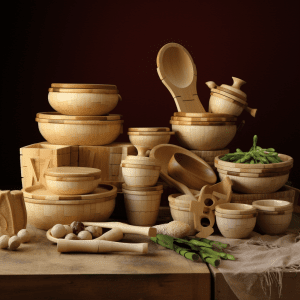
Bamboo Cookware
Sustainable and Stylish Cookware to Elevate Your Kitchen Experience
Product information
Product Review Score
4.38 out of 5 stars
126 reviews