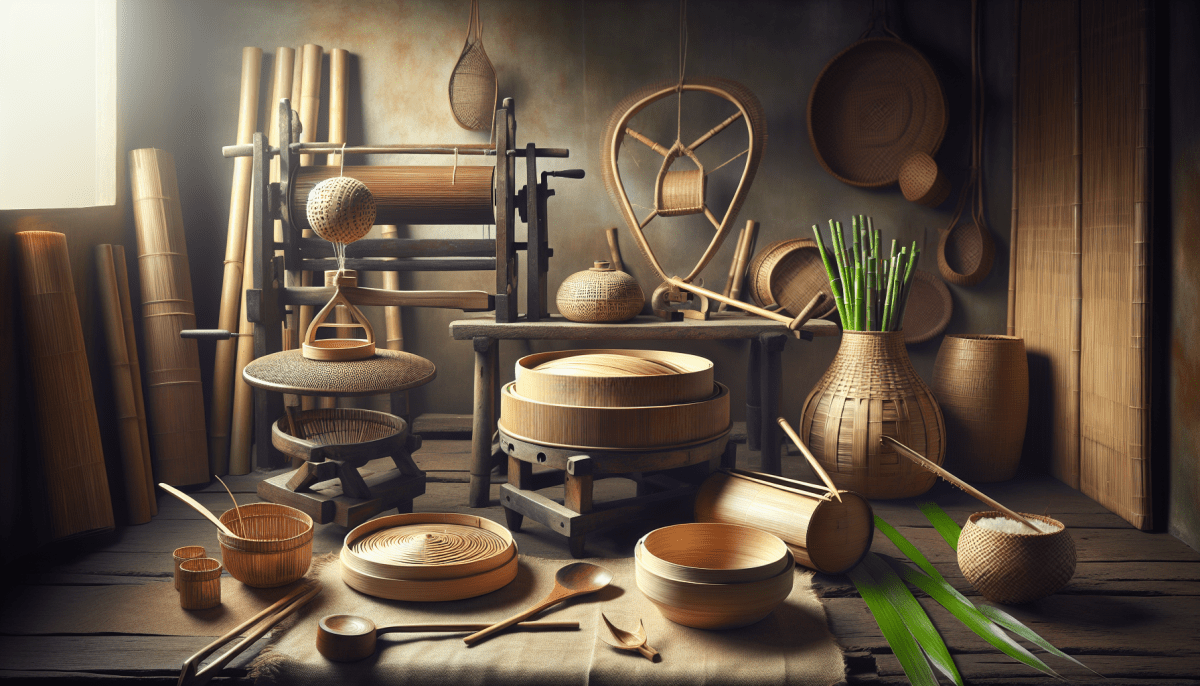
Bamboo cookware has emerged as a fascinating and eco-friendly alternative to traditional kitchen utensils. Beyond its sustainable nature, bamboo cookware showcases timeless techniques and artisanal craftsmanship, making it a standout choice for food enthusiasts. With a rich history dating back centuries, this versatile plant material has been skillfully transformed into beautiful and functional cookware that enhances the culinary experience.
One of the most captivating aspects of bamboo cookware is the intricate weaving techniques employed by skilled artisans. These craftsmen meticulously hand-weave the bamboo fibers into intricate patterns, resulting in visually striking bowls, plates, and utensils. The artistry lies not only in the final product but also in the process itself, where tradition and innovation seamlessly merge. This level of dedication and attention to detail ensures that each piece is unique, reflecting the mastery of the artisans who bring them to life.
The use of bamboo as a material further enhances the appeal of this cookware. Known for its durability and strength, bamboo exhibits remarkable qualities that make it ideal for culinary purposes. Its natural antibacterial and anti-microbial properties ensure that bamboo cookware remains hygienic and safe to use. Additionally, the lightweight and heat-resistance qualities of bamboo make these utensils and cookware suitable for various cooking methods, from stir-frying to serving and even steaming.
Beyond its functionality, bamboo cookware embodies a rustic charm that adds an aesthetically pleasing touch to any kitchen. The natural grain and warmth of bamboo create a sense of harmony and tranquility, reminding us of the simplicity and elegance found in nature. Whether displayed as decorative pieces or actively used during cooking, bamboo cookware effortlessly elevates the overall ambiance of the kitchen, inviting a sense of serenity and organic beauty into the culinary space.
Going Green in the Kitchen: The Beauty of Bamboo Cookware
In recent years, there has been a growing movement towards more eco-friendly and sustainable options in our daily lives. This trend has also extended to the kitchen, where bamboo cookware has gained popularity for its timeless techniques and artistry. Bamboo, known for its strength and durability, has become a preferred material for environmentally conscious chefs and home cooks alike.
One of the primary reasons why bamboo cookware is considered a sustainable choice is its fast-growing nature. Bamboo is one of the fastest-growing plants on earth, able to reach maturity in just a few years. This rapid growth ensures a steady supply of bamboo without depleting natural resources. Additionally, bamboo requires no pesticides or fertilizers to thrive, making it an ideal choice for those seeking an organic and chemical-free kitchen.
Another benefit of bamboo cookware is its natural antibacterial properties. Bamboo contains a substance called bamboo kun, which prevents the growth of bacteria and microbes. This feature not only ensures safer food preparation but also reduces the need for harsh cleaning chemicals. Furthermore, bamboo's natural resistance to moisture and heat makes it an ideal material for cooking utensils and cutting boards, as it is less prone to warping or cracking.
A Glimpse into Traditional Bamboo Cooking Techniques
Bamboo has been used as a versatile material in various aspects of daily life in many parts of the world. One of the most interesting and traditional uses of bamboo is in the art of cooking. For centuries, different cultures have utilized bamboo as cookware, harnessing its unique properties and enhancing natural flavors. Let's explore some timeless bamboo cooking techniques that continue to be revered for their artistry and effectiveness.
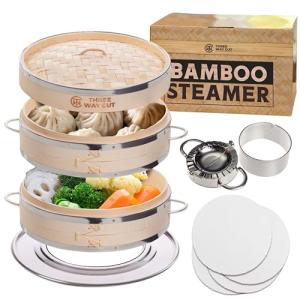
Steaming is a popular method of cooking with bamboo. The bamboo steamer basket is a simple yet ingenious invention that allows food to be cooked evenly and gently. The basket is designed to be placed on top of a pot or wok filled with boiling water, while the food is placed inside the basket. As steam rises from the water, it envelops the food, cooking it to perfection. The bamboo material absorbs excess moisture, preventing condensation from falling back onto the food and creating a moist and flavorful result. Steaming in bamboo cookware is particularly favored for cooking dumplings, vegetables, and delicate seafood.
Another interesting technique is bamboo grilling. This method involves using split bamboo stalks as skewers for grilling meat, seafood, and vegetables over an open flame. The porous nature of bamboo imparts a subtle smoky flavor to the food, adding a unique touch to the grilling experience. Bamboo skewers are incredibly versatile and can be used to cook a wide range of dishes, from kebabs to satays. They are also a sustainable alternative to metal skewers, as they can be easily disposed of after use or even composted.
Lastly, we have bamboo leaf wrapping, a technique often used in Asian cuisines. Bamboo leaves have a distinct aroma that can infuse the food with a delightful fragrance when used as a wrapper. This cooking method involves wrapping food, such as rice, meat, or fish, in bamboo leaves and then steaming or baking it. The bamboo leaves help retain moisture and impart a subtle earthy flavor to the dish. This technique not only enhances the taste but also provides an aesthetically pleasing presentation, showcasing the natural beauty of bamboo.
Culinary Craftsmanship: Exploring the Legacy of Bamboo Cookware
Bamboo cookware has stood the test of time, leaving an indelible mark on culinary traditions worldwide. This exquisite cooking material, known for its versatility and durability, offers a unique and sustainable alternative to modern kitchenware. Its historical significance and artistic craftsmanship make it an essential topic of exploration for food enthusiasts and cultural connoisseurs.
For centuries, bamboo has been revered for its use in cookware, particularly in Asian cultures. The natural properties of this renewable material ensure even heat distribution, making it perfect for various cooking methods. Bamboo steamers, a staple in many Asian households, are a prime example of the ingenuity of bamboo craftsmanship. These multi-tiered vessels are used to steam dumplings, vegetables, and other delicacies, preserving their textures and flavors.
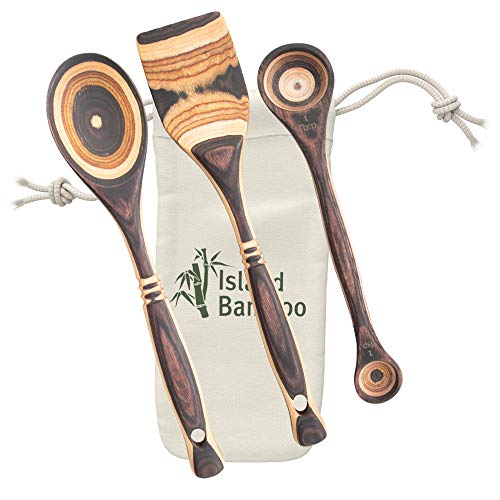
The legacy of bamboo cookware expands far beyond steaming. Bamboo chopping boards, stirring spoons, and serving utensils have long been cherished for their elegant designs and functional qualities. The meticulous carving and polishing of bamboo products demonstrate the skills and creativity of craftsmen who have mastered this art form through generations. The environmentally friendly nature of bamboo cookware only adds to its allure, as it is biodegradable and has minimal impact on our planet.
Bamboo Cookware
Sustainable and Stylish Cookware to Elevate Your Kitchen Experience
Product information
Product Review Score
4.38 out of 5 stars
126 reviews