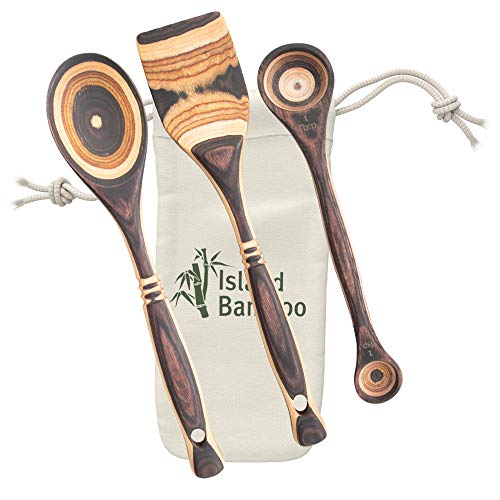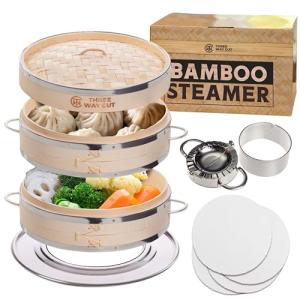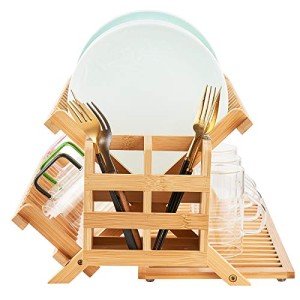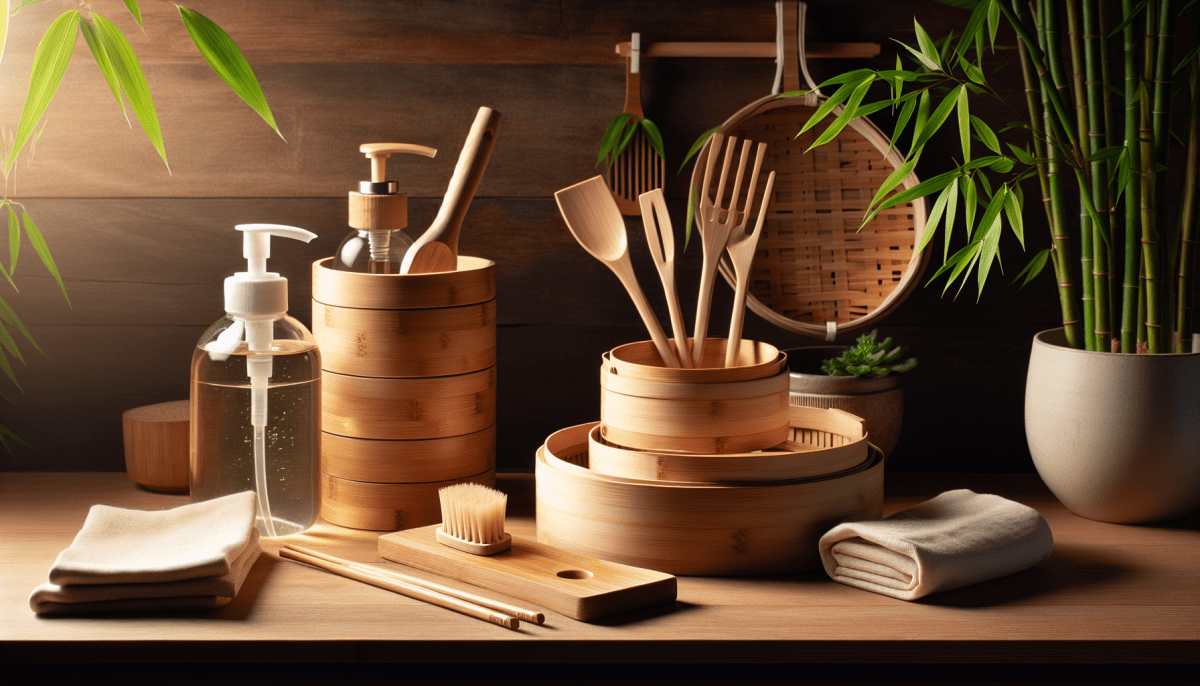
When it comes to choosing cookware for your kitchen, bamboo cookware is becoming increasingly popular, and for good reason. Not only is bamboo a sustainable material, but it also offers numerous benefits for both cooking and the environment.
First and foremost, bamboo cookware is incredibly durable and lightweight. Its natural strength allows it to withstand high temperatures without warping, making it perfect for various cooking methods like steaming, stir-frying, or boiling. Additionally, its lightweight properties make it easy to handle, preventing any strain on your arms or wrists.
Bamboo is naturally non-stick, requiring only a minimal amount of oil or cooking spray. This not only makes cooking healthier but also cleaning up a breeze. Unlike traditional non-stick cookware that may release harmful chemicals when scratched, bamboo cookware is resistant to scratches and maintains its non-stick surface even after multiple uses.
Aside from its practical advantages, bamboo cookware is also a sustainable option for the environmentally conscious consumer. Bamboo is one of the fastest-growing plants on the planet, with some species growing up to three feet per day. It is a renewable resource that does not require replanting, making it a more eco-friendly choice compared to other materials like metal or plastic.
The Art of Cleaning and Seasoning Bamboo Cookware
Bamboo cookware is not only aesthetically pleasing but also durable and eco-friendly. However, to ensure its longevity and optimal performance, proper cleaning and seasoning practices are essential. In this guide, we will walk you through the art of taking care of your bamboo cookware to maintain its natural beauty and functionality.
To clean your bamboo cookware, start by rinsing it with warm water and a gentle dishwashing soap. Avoid using harsh cleaning agents or abrasive scrubbers as they can damage the natural fibers. Instead, opt for a soft sponge or cloth to gently remove any food particles. Once rinsed, allow the cookware to air dry thoroughly before storing or using it again.
Seasoning your bamboo cookware is crucial to maintain its moisture content and prevent it from drying out or cracking. Begin by applying a thin layer of food-grade mineral oil or bamboo oil to the entire surface of the cookware using a clean cloth. Let the oil penetrate the bamboo for a few hours, or even overnight, before wiping off any excess oil. This process helps to nourish and protect the bamboo, keeping it moisturized and resilient.
For additional protection and to enhance the longevity of your bamboo cookware, consider applying a layer of beeswax. Simply rub a small amount of melted beeswax onto the surface, allowing it to solidify and create a protective barrier. The beeswax coating not only adds a beautiful sheen but also helps to prevent staining and minimize absorption of strong flavors from food.
Properly cleaning and seasoning your bamboo cookware preserves its natural beauty and extends its lifespan. By following these simple steps, you can continue to enjoy the beauty and functionality of your bamboo cookware for many years to come. Remember, caring for your bamboo cookware is not just maintenance; it is an art that enhances your cooking experience.
Avoiding Common Mistakes: Tips for Bamboo Cookware Care
Caring for your bamboo cookware is essential to ensure its longevity and maintain its natural beauty. By following these tips, you can avoid common mistakes and prolong the life of your bamboo cookware:
1. Handwash Only:
Bamboo cookware is not dishwasher safe, as the high temperatures and harsh detergents can cause it to warp or crack. Instead, always handwash your bamboo cookware using warm water, mild soap, and a soft sponge or cloth. Rinse thoroughly and allow it to air dry completely before storing.
2. Avoid Soaking:
While bamboo cookware is naturally water-resistant, prolonged soaking can weaken its structure. Therefore, avoid leaving your bamboo cookware submerged in water for extended periods. If you encounter tough stains or residue, gently scrub the affected area with a soft brush or non-abrasive scouring pad.
3. Seasoning:
Periodically applying a food-safe oil, such as mineral oil or coconut oil, can help maintain the natural moisture and shine of your bamboo cookware. Simply rub a thin layer of oil onto the surface of the cookware using a cloth or paper towel. Allow the oil to penetrate for a few hours before wiping off any excess.
4. Avoid High Heat:
Bamboo cookware is not suitable for high heat cooking methods, such as frying or broiling. Exposing it to excessive heat can cause the bamboo to dry out and become brittle. Stick to low to medium heat settings when using bamboo cookware, and always use a heat-resistant pad or trivet to protect it from direct contact with hot surfaces.
Preserving the Beauty and Durability of Bamboo Cookware
Bamboo cookware is not only aesthetically pleasing but also known for its durability and eco-friendly nature. To ensure that your bamboo cookware remains in top condition for years to come, it is important to give it proper care and maintenance. By following these simple guidelines, you can preserve the beauty and durability of your bamboo cookware.
Firstly, it is essential to hand wash your bamboo cookware. Avoid using harsh detergents or abrasive cleaning materials as they can damage the bamboo surface. Instead, use a gentle dish soap and a soft sponge or cloth to clean the cookware. After washing, make sure to thoroughly dry the cookware to prevent any moisture from being absorbed into the bamboo, which can cause warping or cracking.
To further protect your bamboo cookware, apply a thin layer of mineral oil or bamboo oil regularly. This will help nourish the bamboo and enhance its natural shine. Simply rub the oil onto the surface of the cookware using a clean cloth, and then wipe off any excess. This simple step will not only preserve the beauty of the bamboo but also help to maintain its durability and resist staining.
Lastly, it is important to store bamboo cookware properly. Avoid exposing it to direct sunlight or extreme temperatures, as these can cause the bamboo to become brittle or fade in color over time. Instead, store your cookware in a cool, dry place away from any heat sources. Additionally, avoid stacking heavy items on top of your bamboo cookware to prevent any potential damage or deformation.