The use of bamboo in the kitchen has gained significant attention in recent years due to its impressive sustainability and eco-friendly benefits. As a rapidly renewable resource, bamboo is known for its ability to grow quickly and regenerate without the need for replanting. This makes it an excellent alternative to traditional cookware materials that deplete natural resources, such as wood or metal.
Bamboo cookware has emerged as a game-changer in global eco-trends, providing a range of advantages for both the environment and consumers. Firstly, bamboo's natural antimicrobial properties make it an ideal material for kitchen utensils and cutting boards. It inhibits the growth of bacteria, reducing the risk of cross-contamination during food preparation and making it easier to maintain hygiene in the kitchen.
Furthermore, bamboo cookware exhibits impressive durability and resistance to heat, making it suitable for various cooking methods. It can withstand high temperatures without warping or deteriorating, ensuring a long lifespan for the products. This durability, combined with bamboo's lightweight yet sturdy nature, contributes to its growing popularity as a sustainable choice for kitchenware.
Bamboo Cookware: An Eco-Friendly Alternative for Conscious Foodies
In recent years, the trend towards sustainable living has become increasingly popular, leading to a surge in eco-friendly products. One such product that has gained significant attention is bamboo cookware. As a renewable resource, bamboo offers an excellent alternative to traditional cookware materials like plastic or non-stick coatings that may release harmful chemicals into our food and the environment.
One of the primary reasons why bamboo is considered eco-friendly is its rapid growth cycle. Unlike trees that take years to grow, bamboo can reach maturity in just a few years, making it a highly sustainable option. Additionally, bamboo does not require the use of pesticides or fertilizers, further reducing its environmental impact.
Bamboo cookware also offers several practical advantages. For starters, it is naturally anti-bacterial and antimicrobial, making it a hygienic choice for the kitchen. It is also lightweight and durable, making it easy to handle and resistant to cracks or damages. Moreover, bamboo cookware retains heat efficiently, ensuring even cooking and reducing energy consumption.
From Farm to Fork: Tracing the Sustainable Journey of Bamboo Cookware
Bamboo cookware has taken the culinary world by storm in recent years, thanks to its sustainable and environmentally friendly properties. The journey of bamboo cookware begins on farms where this versatile plant is cultivated. Known for its fast growth and low maintenance, bamboo requires no pesticides or fertilizers to thrive, making it an ideal option for sustainable farming practices.
Once the bamboo is harvested, it undergoes a process to transform it into cookware. The stalks are cut, cleaned, and treated to remove impurities, ensuring the final product is safe for cooking and food consumption. Artisans use traditional techniques to shape the bamboo into bowls, utensils, and other kitchen essentials, showcasing the craftsmanship and dedication behind each piece.
What makes bamboo cookware truly sustainable is its durability and longevity. Unlike disposable kitchenware, bamboo products can withstand heat and regular use, lasting for years without losing their functionality or appeal. When a bamboo bowl or utensil reaches the end of its life, it can be composted and returned to the earth without leaving behind any harmful residues or waste.
Beyond Aesthetics: Exploring the Environmental Benefits of Bamboo Cookware
When it comes to eco-friendly kitchenware, bamboo cookware has gained significant popularity in recent years. Beyond its pleasing aesthetics, bamboo cookware provides numerous environmental benefits that make it an ideal choice for conscientious consumers. Let's explore some of the reasons why bamboo cookware is contributing positively to global kitchen eco-trends.
Firstly, bamboo is a highly renewable resource. Unlike traditional hardwood trees, bamboo is a type of grass that grows incredibly fast. Harvesting bamboo for cookware does not result in deforestation, as the plant can regenerate from its own root system after cutting. With its rapid growth, bamboo can be ready for harvest in just a few years, making it a sustainable alternative to wood-based kitchenware.
Bamboo cookware also has a minimal environmental impact throughout its lifecycle. Since bamboo is naturally antibacterial, it does not require harsh chemicals for cleaning and maintenance. Furthermore, bamboo is biodegradable, meaning it can decompose naturally without causing harm to the environment. This makes it an attractive choice for those looking to reduce their ecological footprint in the kitchen.
Moreover, bamboo's ability to sequester carbon dioxide is another crucial environmental advantage. As a fast-growing plant, bamboo absorbs CO2 from the atmosphere at a significantly higher rate compared to conventional trees. This CO2 sequestration process helps mitigate climate change by reducing greenhouse gases in the atmosphere, making bamboo cookware a climate-friendly option for environmentally conscious individuals.
4.38 out of 5 stars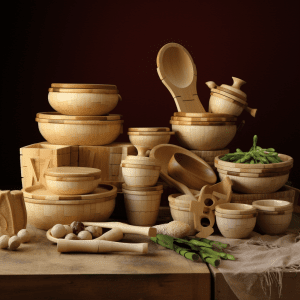
Bamboo Cookware
Sustainable and Stylish Cookware to Elevate Your Kitchen Experience
Product information
Product Review Score
Product links