Bamboo cooking is an ancient practice that is gaining popularity for its numerous health benefits. Bamboo is not just an eco-friendly and sustainable material; it also imparts a unique and delicate flavor to the food cooked in it. This centuries-old cooking method originated in Southeast Asian countries and is known to infuse the dish with a mild, woody taste while retaining its natural nutrients.
One of the significant health advantages of bamboo cooking is that it does not require any oil or fat for cooking. The bamboo acts as a natural steamer, allowing the food to cook gradually while preserving its nutritional value. This cooking method is particularly beneficial for those who are conscious of their calorie intake or are trying to maintain a healthy weight.
Furthermore, cooking in bamboo helps retain the food's vitamins and minerals. Unlike conventional metal cookware that can leach chemicals into the food, bamboo does not react with acidic or alkaline ingredients, ensuring the food remains safe and nutrient-rich. This makes bamboo cooking an excellent option for preserving the nutritional integrity of vegetables, fruits, and other delicate ingredients that are highly sensitive to heat.
Sustainable Cooking: How Bamboo Utensils Promote Wellness and Eco-Living
Sustainable cooking is an essential aspect of promoting a healthy lifestyle and protecting the environment. One way to achieve this is by embracing bamboo utensils in our kitchens. Bamboo, a renewable resource, offers numerous benefits that contribute to wellness and eco-living.
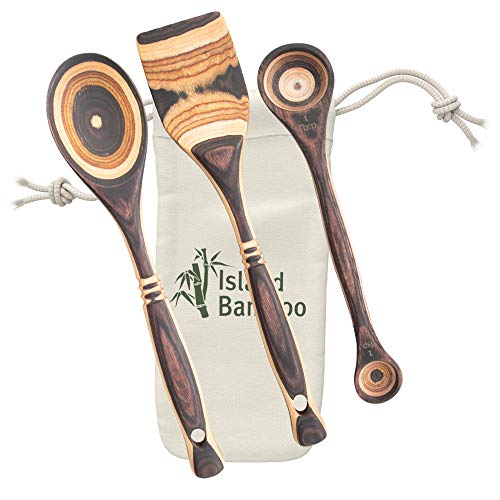
Bamboo utensils are known for their durability, lightweight nature, and natural antimicrobial properties. Unlike traditional plastic utensils, bamboo utensils are free from harmful chemicals such as BPA. They also resist staining and do not absorb flavors or odors, making them a safe and hygienic choice for cooking and serving food.
By using bamboo utensils, we reduce our reliance on plastic and contribute to a more sustainable planet. Bamboo is one of the fastest-growing plants, taking just a few years to mature compared to trees that can take decades. This makes it an excellent renewable resource for utensils and other household products, minimizing the environmental impact and deforestation associated with conventional wood products.
Furthermore, the production process of bamboo utensils is typically more energy-efficient and emits fewer greenhouse gases compared to plastic alternatives. Bamboo cultivation also improves soil quality and has a positive impact on ecosystems due to its ability to control soil erosion and promote biodiversity. Therefore, choosing bamboo utensils is an eco-friendly choice that supports sustainable practices and benefits both personal wellness and environmental health.
Maximizing Safety in Bamboo Cooking: Tips for Healthy and Harm-Free Meals
Bamboo cooking has gained popularity in recent years due to its eco-friendly nature and ability to impart a unique flavor to dishes. However, it is essential to prioritize safety and ensure healthy and harm-free meals when using bamboo as a cooking material. Here are some tips to help you maximize safety in bamboo cooking.
1. Choose high-quality bamboo: When selecting bamboo for cooking, always opt for high-quality, food-grade bamboo, free from any signs of mold, decay, or visible damage. Inspect the shoots carefully before use to ensure they are clean and intact.
2. Clean and soak the bamboo: Before using bamboo for cooking, it is crucial to clean it thoroughly. Rinse the bamboo shoots with water, removing any dirt or debris. Then, soak the bamboo in water for a few hours or overnight, which helps soften the fibers and prevents them from drying out during the cooking process.
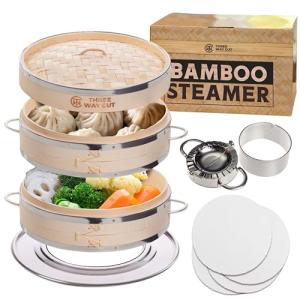
3. Use a bamboo steamer or wrap food securely: If using bamboo for steaming, invest in a bamboo steamer that fits your cooking pot perfectly. This helps ensure even heat distribution and reduces the risk of burns or accidents. Additionally, if using bamboo leaves or wrappers to cook food, remember to wrap the ingredients securely to avoid any leaks or contamination.
Bamboo Cooking: A Culinary Adventure for Wellness Enthusiasts
When it comes to promoting wellness through cooking, bamboo is a versatile and sustainable option that is gaining popularity among health-conscious individuals. The use of bamboo in the kitchen not only adds a touch of eco-friendliness to your cooking style but also offers numerous health benefits. Bamboo is known for its natural antibacterial properties, making it a safe and hygienic choice for food preparation. Additionally, cooking with bamboo can help retain the nutritional value of your food and enhance its flavor.
One of the most popular ways to incorporate bamboo into your cooking routine is by using bamboo steamers. These traditional Chinese cooking tools are crafted from bamboo strips woven together and stacked to create a multi-layered container. The gentle steam that circulates within the steamer helps to cook food evenly while preserving its natural texture, color, and taste. From dumplings to vegetables, bamboo steamers are perfect for creating wholesome meals that are both delicious and nutritious.
Another exciting bamboo cooking technique is grilling. Bamboo skewers are a fantastic alternative to metal skewers, as they are naturally heat-resistant, lightweight, and sustainable. Whether you are grilling meat, fish, or vegetables, bamboo skewers add a unique and aromatic flavor to your dishes. The porous nature of bamboo allows it to absorb some of the marinade, enhancing the taste of your food. Additionally, bamboo skewers have the added benefit of being biodegradable, reducing your carbon footprint while enjoying a mouth-watering meal.
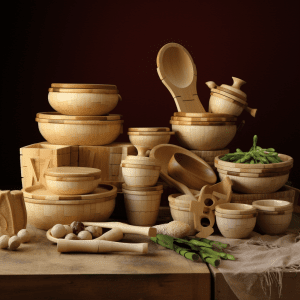
Bamboo Cookware
Sustainable and Stylish Cookware to Elevate Your Kitchen Experience
Product information
Product Review Score
4.38 out of 5 stars
126 reviews